



In 2026, the sodium ion battery industry will enter a critical stage of technological breakthroughs and large-scale implementation, accelerating the maturity of the industry chain. However, at the same time, the industry also faces pain points such as limited energy density ceiling, redundant negative electrode processes, insufficient high-temperature stability, and high lifecycle costs.
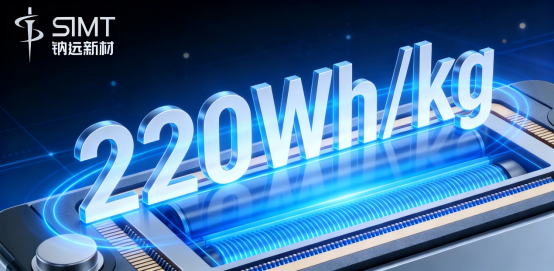
Recently, Na Yuan New Materials joined hands with partners to successfully break through the prototype design of commercial NFS non negative sodium ion batteries. In actual testing, the reversible capacity of all electric materials reached up to105mAh/gThe energy density of the battery cell is as high as220Wh/kg, relying onMaterial Process SystemThree dimensional collaborative innovation has overcome multiple common industry challenges, achieving an effective combination of ultra-low cost NFS system materials and ultra-high energy density negative electrode design, opening up new paths for sodium ion batteries to break through performance boundaries and penetrate into more scenarios.
01. Core Technology Breakthrough: Targeting the Pain Points of Industrialization of Non negative Sodium Batteries and Building Exclusive Technical Barriers
Non negative sodium ion battery technology refers to the use of a current collector (such as aluminum foil) as the negative electrode substrate during the battery manufacturing process, without the prior addition of negative electrode active materials. During the first charge, sodium ions in the positive electrode material pass through the separator, acquire electrons on the surface of the current collector, and deposit to form a metallic sodium layer, thereby "in-situ generating" the negative electrode.
This design eliminates the cost of traditional negative electrode materials, simplifies manufacturing processes, and effectively suppresses sodium dendrite growth and side reactions by optimizing the surface characteristics of the current collector, electrolyte formulation, and interface engineering. It improves the energy density, safety, low-temperature performance, and cycle life of the battery, and is considered an important direction for the development of the next generation of sodium ion batteries towards low cost and high performance.
Sodium Yuan New Materials targetsNFS Non Negative Sodium Ion BatteryThe core pain point in the industrialization process, through collaborative innovation of "materials process system", has formed multiple exclusive technological breakthroughs, laying a solid foundation for commercialization.
Innovative "skeleton building" additive technology:Sodium Yuan New Materials as the currentThe only enterprise that can provide NFS core "hard" additives on a large scaleOn the positive side of the non negative battery design, traditional NFS is usedMain materials+additivesThe design scheme adopts the second-generation NFS system material of Na Yuan New Materials, and regulates the crystal structure and interface characteristics of NFS materials at the molecular level through a soft hard synergy mechanism. It continues to overcome key technical bottlenecks in the NFS material industry, such as low compaction density, fast high-temperature cycling decay, and gas generation bulging. The material performance is doubled, and the compaction density of the positive electrode side electrode sheet can reach 2.7g/cm ³, further improving the overall energy density of the negative electrode design and effectively solving the problem of positive electrode material adaptation in the negative electrode system.
NFS material is highly compatible with non negative electrode technology:In the design of non negative electrode batteries, NFS materials possess3.7V high voltage platformPerfectly matched with the deposition/dissolution mechanism of non negative sodium metal, it can effectively solve the problem of sodium storage loss in traditional hard carbon negative electrodes, simplify the battery manufacturing process (without the need for negative electrode coating process), achieve dual optimization of energy density and production cost, and provide core support for commercial applications.
Full chain safety and recycling advantages:NFS material is derived from chemical by-products (such as sodium sulfate produced in the production process of lithium carbonate), with a highly stable structure. No smoking, fire, or explosion phenomena were observed in both room temperature and high temperature puncture tests,Puncture at 70 ℃ leaving only a pinholeEliminate the risk of thermal runaway from the root; Simultaneously possessing water-soluble and easy to recycle characteristics, it can achieve low-cost closed-loop circulation of waste batteries, solve industry recycling problems, and meet the needs of green industry development.
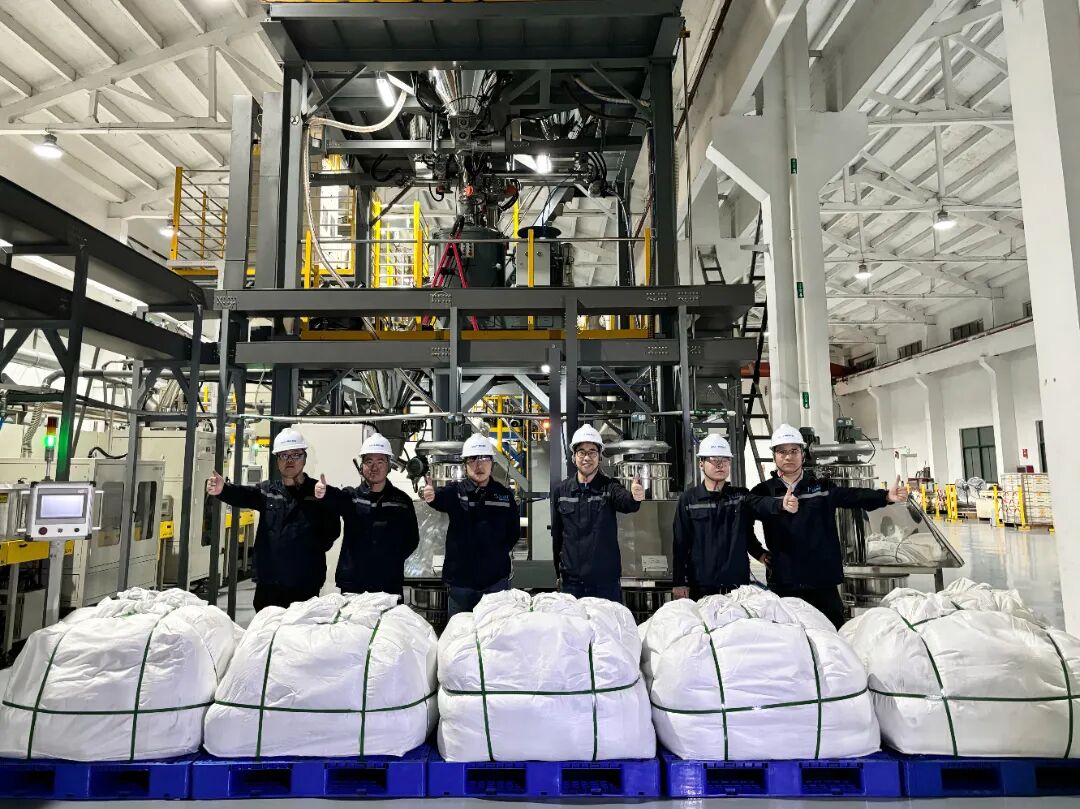
Complete technical closed-loop construction:The company has established a complete technical loop from the research and development of sodium ion positive electrode materials, material production line equipment design to the design of full battery cells. It has published over 25 invention patents, covering multiple core areas such as polyanion materials, solid electrolytes, and preparation methods, providing solid intellectual property protection for the commercialization of technology.
02. Commercial performance verification: Core indicators meet the standard for mass production and are fully adapted to mainstream application scenarios
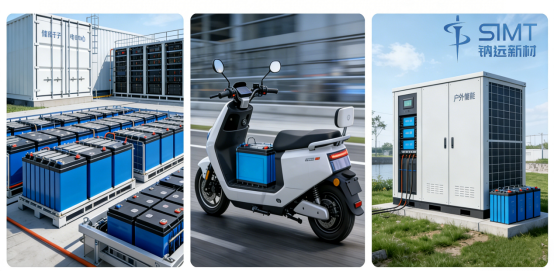
At present, the design prototype of Na Yuan New Material NFS negative sodium ion battery has completed multiple rounds of rigorous performance verification, and the core indicators have preliminarily reached the commercial mass production standards, taking into account the multidimensional advantages of energy density, cycle life, cost, low-temperature performance, etc. It can accurately cover mainstream scenarios such as lightweight power and energy storage, and also has the potential for upgrading high-end scenarios.
In terms of energy density, compared to the existing mass-produced NFS based battery with an energy density of 120Wh/kg, this non negative electrode battery has achieved a breakthrough in individual energy density220Wh/kgThe overall performance surpasses mainstream lithium iron phosphate batteries, which can meet the needs of conventional scenarios such as consumption and light electric vehicles, as well as reserve sufficient technological upgrade space for high-end power and long-term energy storage scenarios, breaking the market's inherent perception of "low energy density" of sodium ion batteries.
Industry leading in terms of cycle life and stability, utilizing the second generation NFS system material from Sodium Yuan New Materials for a negative electrode free design prototype. After optimization, the cycle life can reach800-1000 lapsCapacity retention rate≥80%And there is no high temperature cycle or low pressure gas production problem throughout the entire process, perfectly matching the 2-3 year replacement cycle of lightweight power, and is expected to impact the scenario requirements of long-term efficient operation of energy storage, effectively reducing the operation and maintenance costs of the battery throughout its lifecycle and improving the overall economic benefits of the project.
Cost advantage has become the core competitiveness of commercial implementation. The BOM cost of Sodium Yuan New Material NFS material is controlled within 10000 yuan/ton, which is 70% -80% lower than the cost of lithium iron phosphate material. It has the price advantage of fully replacing lead-acid batteries and mid to low end lithium batteries, and accurately meets the commercial implementation needs of cost sensitive scenarios such as energy storage, light transportation, and low-speed power, helping the sodium power industry to quickly sink and popularize.
In addition, the battery has excellent environmental adaptability, with a discharge capacity retention rate of up to -20 ℃ in low-temperature environments90%Suitable for outdoor energy storage and low-temperature power scenarios in high-altitude regions; The company is simultaneously developing three types of positive electrode materials: energy storage, power storage, and capacity storage. With high rate discharge performance, they can cover diverse scenarios such as start stop power supplies, special energy storage, and light passenger vehicles, further expanding the application boundaries of the products.
03. Industrial value: Reconstruct the pattern of sodium electricity technology and accelerate the industrial scale advancement
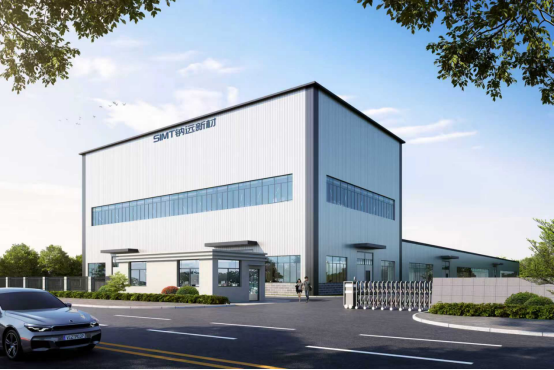
The technological breakthrough of Na Yuan New Materials NFS non negative sodium ion battery is not only a concentrated reflection of the company's research and development strength, but also of great significance to the development of the entire sodium ion battery industry chain. This technology innovates through a negative electrode free system, simplifying production processes and reducing material costs while improving energy density, promoting the transformation of sodium ion batteries from "complementary" to "mainstream", and reshaping the competitive landscape of the lithium sodium battery industry.
From the perspective of resource security, NFS materials rely on the development of sodium salt resources and chemical by-products to further strengthen the independent and controllable advantages of China's sodium electricity industry resources, break free from the monopoly of overseas lithium resources, and contribute to the security and stability of the new energy industry supply chain. At the same time, the material relies on the resource utilization of sodium sulfate, a byproduct of lithium carbonate production, without the need for additional mining of scarce minerals. This not only reduces the dependence of upstream raw materials on external sources, but also achieves high value-added conversion of chemical waste.
Compared with the conventional sodium battery technology route in the industry, the NFS non negative electrode technology of Na Yuan New Materials has solved the long-standing pain point of performance and cost imbalance in the industry through comprehensive innovation from the material end to the battery cell end, providing a feasible solution for the global industrialization of non negative electrode sodium batteries. With the subsequent implementation of production capacity and technological iteration, this technology is expected to quickly achieve large-scale production, further reducing battery production costs, improving product performance, and promoting the comprehensive penetration of sodium ion batteries in energy storage, lightweight power, special power supply and other scenarios.
Conclusion
The current sodium ion battery industry is in a critical window period of transition from technological breakthroughs to large-scale implementation, and technological innovation remains the core driving force for industrial development. The commercial breakthrough of Na Yuan New Material NFS non negative sodium ion battery confirms the strong industrialization potential of the non negative electrode route and points out a new direction for industry technology research and development.
In the future, with the continuous optimization of material processes, gradual release of production capacity, and increasingly perfect industrial chain supporting facilities, non negative sodium ion batteries are expected to become one of the mainstream technology routes for sodium batteries, further narrowing the performance gap with lithium batteries, while leveraging cost and resource advantages to achieve complementary and coordinated development with lithium batteries, and helping the global new energy industry achieve safer, more economical, and greener transformation goals.