



Sodium is an essential element in living organisms, and in nature, the journey to find 'sodium' is never uncommon.
Elephants on the African grasslands trek dozens of kilometers just to find an old salt pond and lick a few mouthfuls of soil; The ibex in the Alps climb up the almost vertical dam walls and lick the mineral salts seeping out of the rock walls; The macaws in the Peruvian rainforest fly from their habitat to the clay cliffs along the river every morning, feeding on groups of sodium containing clay; One of the purposes of the long-distance migration of takins in the Qinling Mountains is to search for springs rich in salt.
On May 17th, a unique journey to find "sodium" quietly began. Students from Peking University, enter Wuxi High tech Zone (Xinwu District) to carry out"Wisdom enlightens the Taihu Lake Lake, new Wu travel"Social practice activities.
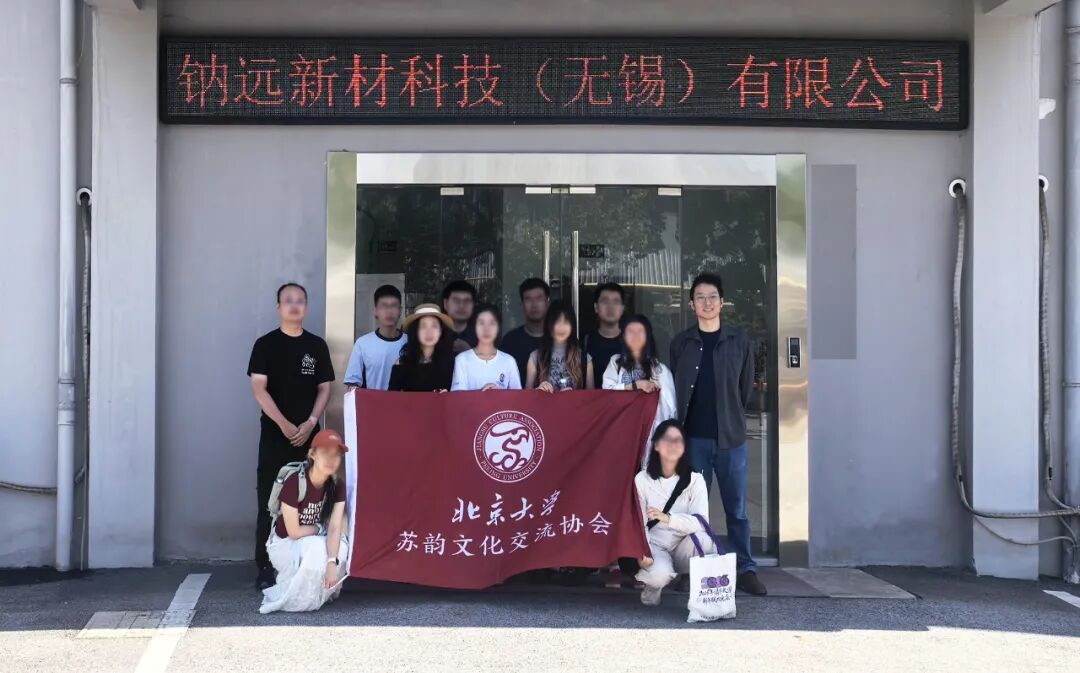
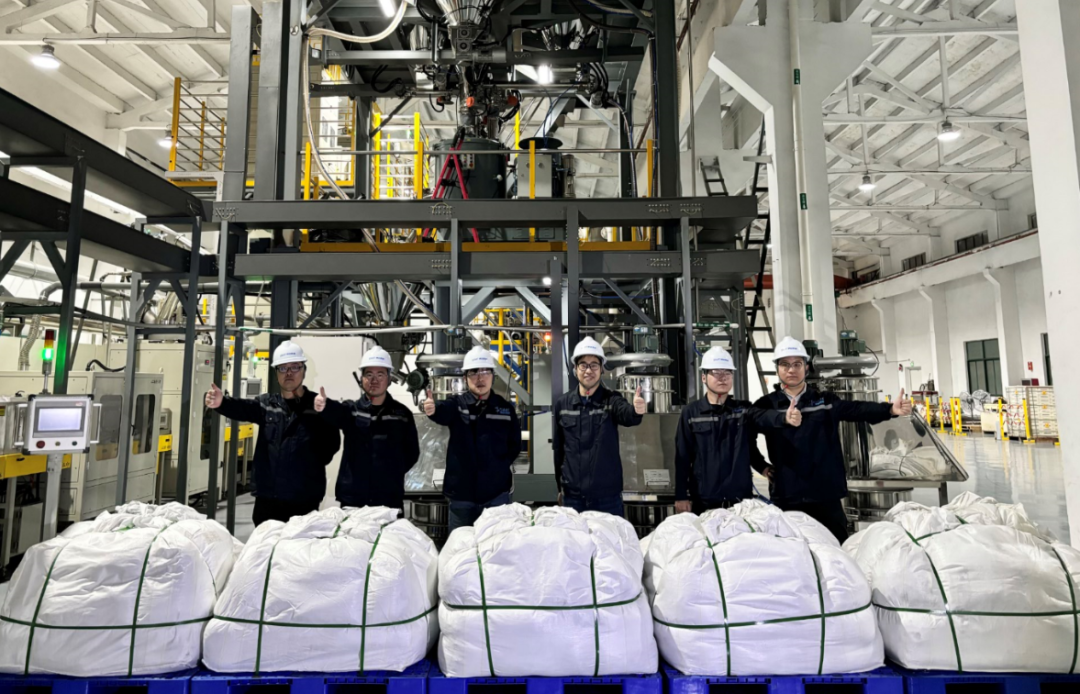
On-site event photos
The event is jointly organized by the Communist Youth League Xinwu District Committee of Wuxi City, Wuxi High tech Talent Development Group Co., Ltd., Peking University Student Su Yun Cultural Exchange Association, and Tsinghua University Student Jiangsu Cultural Exchange Association. As an important part of this event, students came to Na Yuan New Material Technology (Wuxi) Co., Ltd. to embark on a journey of searching for "sodium" that belongs to them.
01. How can Na Yuan attract students from Peking University when thousands of sails compete?
Sodium ion batteries are not a new thing, but in recent years, their industrialization process has significantly accelerated. At the market level, sodium ion batteries were one of the hottest topics at the 18th Shenzhen International Battery Exhibition (CIBF2026) that just passed. The Ningde Times booth displayed the slogan "Extreme Cold is not a pure electric forbidden zone, but a sodium new home field". The sodium new battery in the -40 ℃ box discharges in real time and connects to a wireless charger to charge the phone, intuitively demonstrating the advantages of sodium ion batteries in low temperature resistance.
From upstream material supply, to midstream battery manufacturing, and to downstream system integration, sodium ion batteries have entered the stage of comprehensive industrialization. At the material level, domestic lithium resource reserves account for only about 7% of the world's total, with a high degree of external dependence. In 2026, the price of battery grade lithium carbonate will continue to rise, hovering around 200000 yuan/ton, compared to about 65000 yuan/ton in the same period of 2025, an increase of over 300%.
Energy security needs to be balanced with lithium price fluctuations, driving the industry to seek alternative solutions in both directions. Sodium resources are abundant and the product safety is high, which perfectly meets the needs of large-scale energy storage and light power markets. At the policy level, multiple departments such as the Ministry of Industry and Information Technology have explicitly supported the research and industrial application of sodium battery technology, and local governments have followed up with subsidies and industry funds. For a moment, the sodium electric race track has risen from a backup plan to a battleground.
In this context, Na Yuan New Materials, as the technical representative enterprise of NFS (Sodium Iron Sulfate) cathode material, has become the first choice for Peking University students to visit.
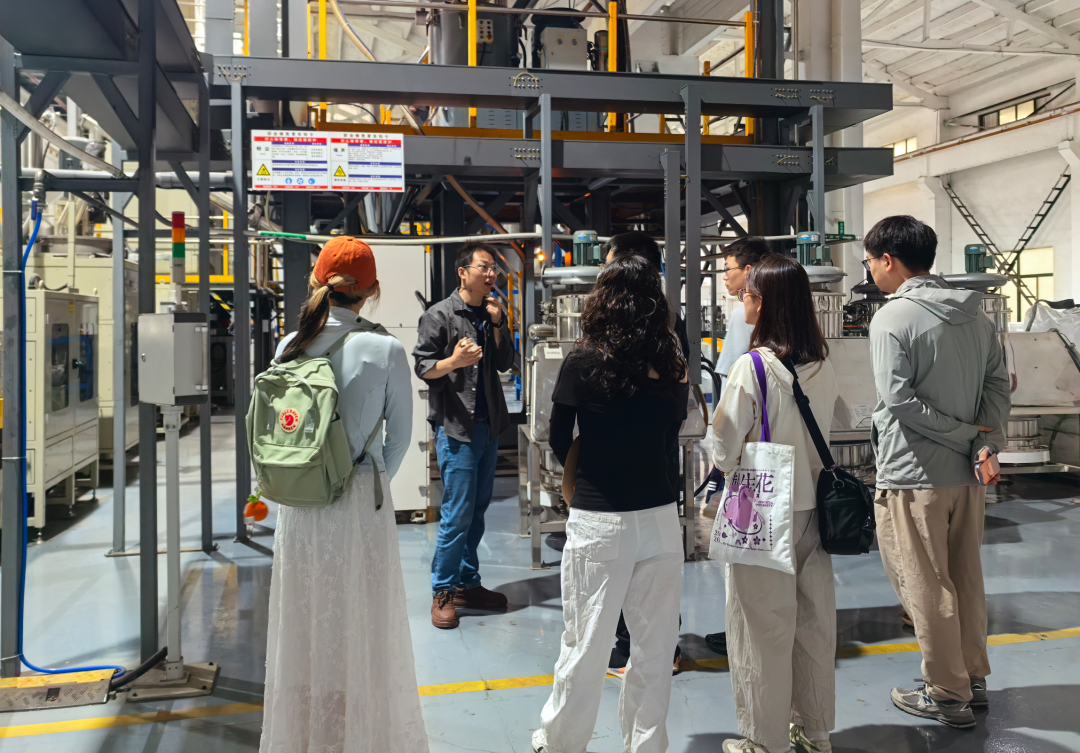
On-site event photos
Na Yuan New Materials, founded by a team of overseas returnees with doctoral degrees, not only specializes in the research and industrialization of sodium ion positive electrode materials, but also continues to expand downstream, forming a fully ecological closed loop with sodium ion positive electrode materials as the core, covering full battery cell design, commercial battery cells and PACK products, and sodium/lithium material recycling. For young students who are interested in the new energy track, Na Yuan New Materials is not only a technology-based enterprise, but also a sample for observing the industrialization of sodium electricity.
02. How can NFS technology make a name for itself in the competition among hundreds of boats?
There are many routes for sodium ion positive electrode materials, including layered oxides, polyanions, and Prussian blue, each with their own advantages and disadvantages. The choice of Na Yuan New Materials to bet on the NFS technology route in the polyanion route has a clear market logic behind it.
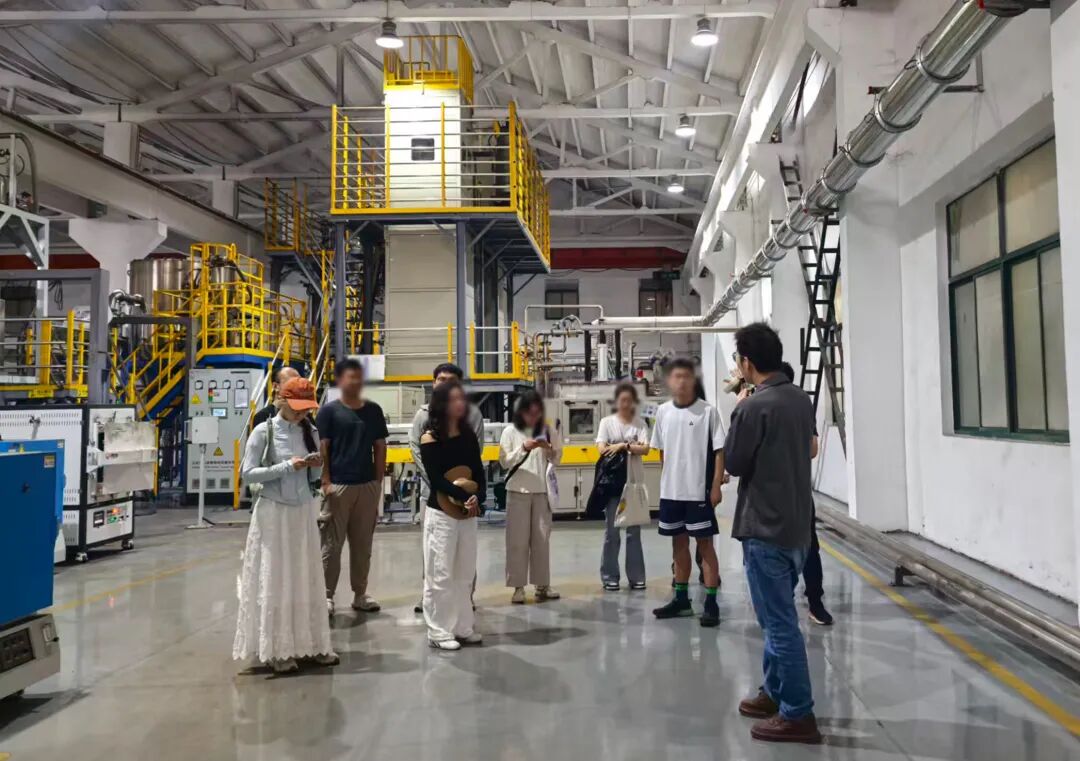
On-site event photos
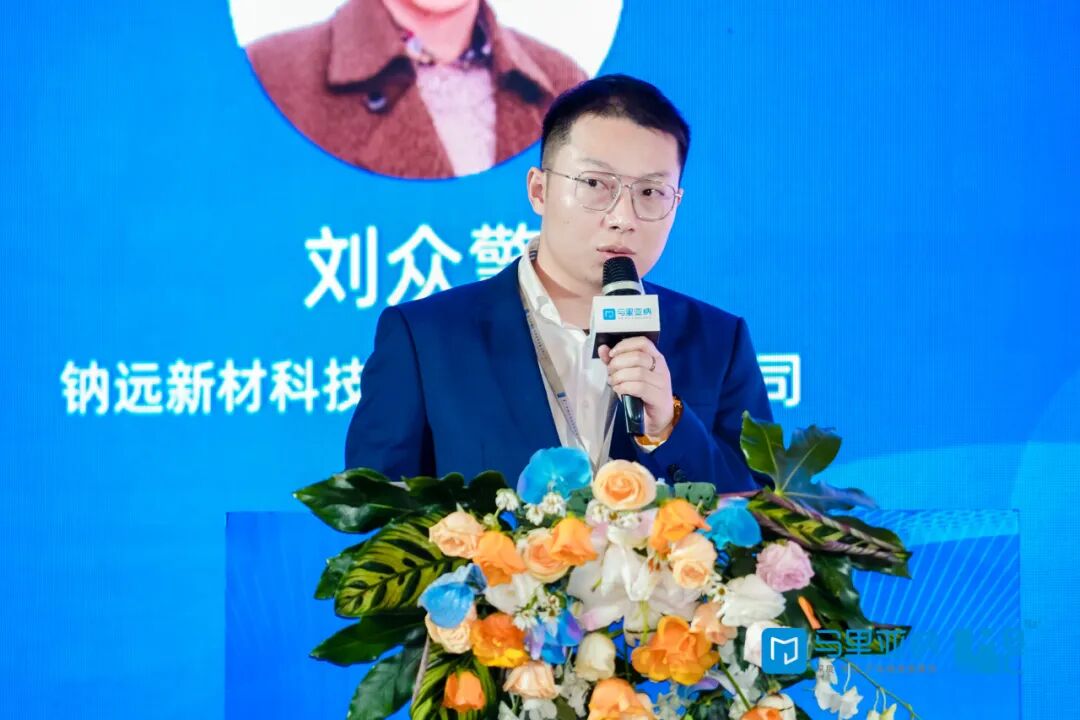
During the on-site visit, Dr. Liu Zhongqing, CEO of Nayuan New Materials, explained to the students the core breakthrough point of the NFS route. Traditional sodium ion positive electrode materials have long faced five major pain points: high alkali content, high moisture content, low voltage, easy water absorption, and processing difficulties. Sodium Yuan New Materials uses its unique dual directional sulfate composite technology, adoptingSoft hard combination+skeleton constructionStrategy, optimizing material performance from the perspective of crystal structure, with multiple advantages such as high voltage, high voltage, high safety, and easy recycling. In addition, sodium iron sulfate itself is an industrial byproduct, which has lower cost and more obvious economic benefits compared to other sodium ion positive electrode material routes.
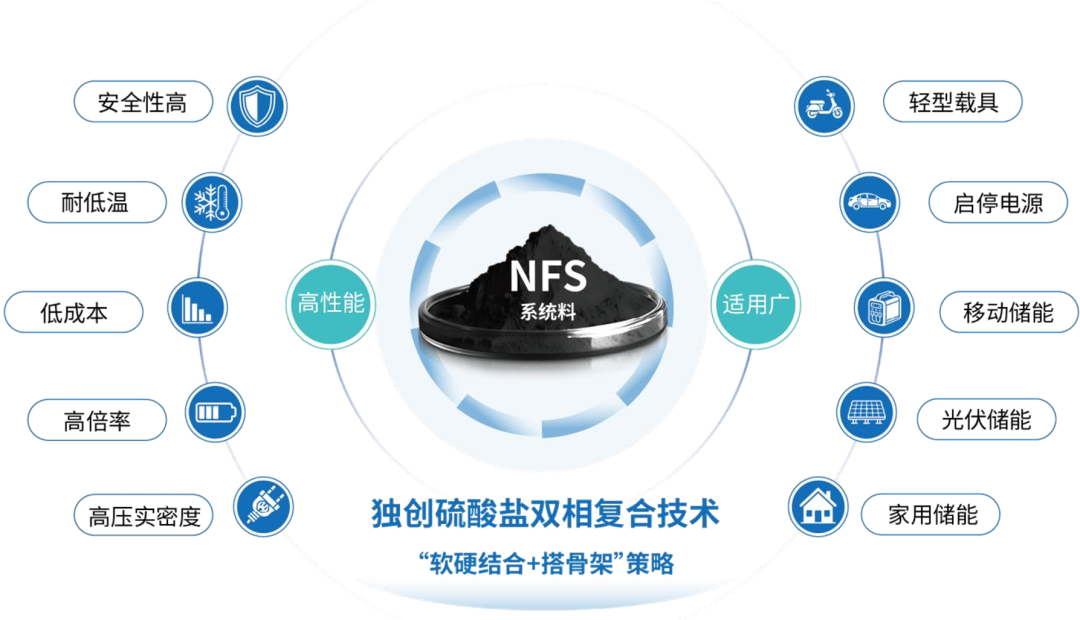
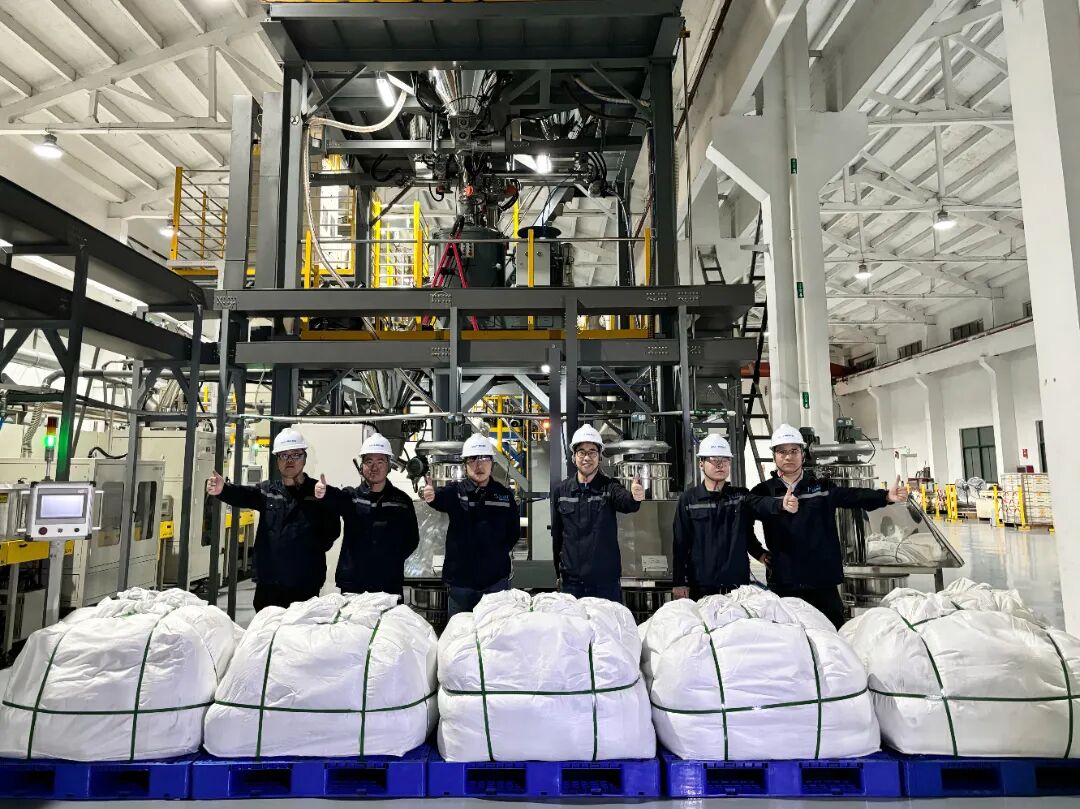
Sodium Yuan New Materials NFS System Material
There are two key indicators worth paying attention to:
1、 The material stability voltage platform has reached3.6VIt can easily adapt to the current lithium iron and ternary lithium production lines in the market;
II2.6-2.7g/cm ³ electrode compaction densityMeet the market's demand for battery capacity;
Only by combining the two can we truly connect the key links from production to sales, making the NFS route stand out from many technological routes and crossing the threshold of industrialization. At present, the 5000 ton production base of Na Yuan New Materials has been put into operation, with the ability to supply in bulk. The 10000 ton production base is under construction, with over a hundred sample customers. The products have withstood the verification of downstream customers and have gained market recognition.
During the visit and exchange, a topic sparked heated discussion:How to complete the transformation of industry, academia, and research, as well as the mass production layout of 10000 tons of materials in a short period of time, given that Na Yuan New Materials has only been established for just 4 years?
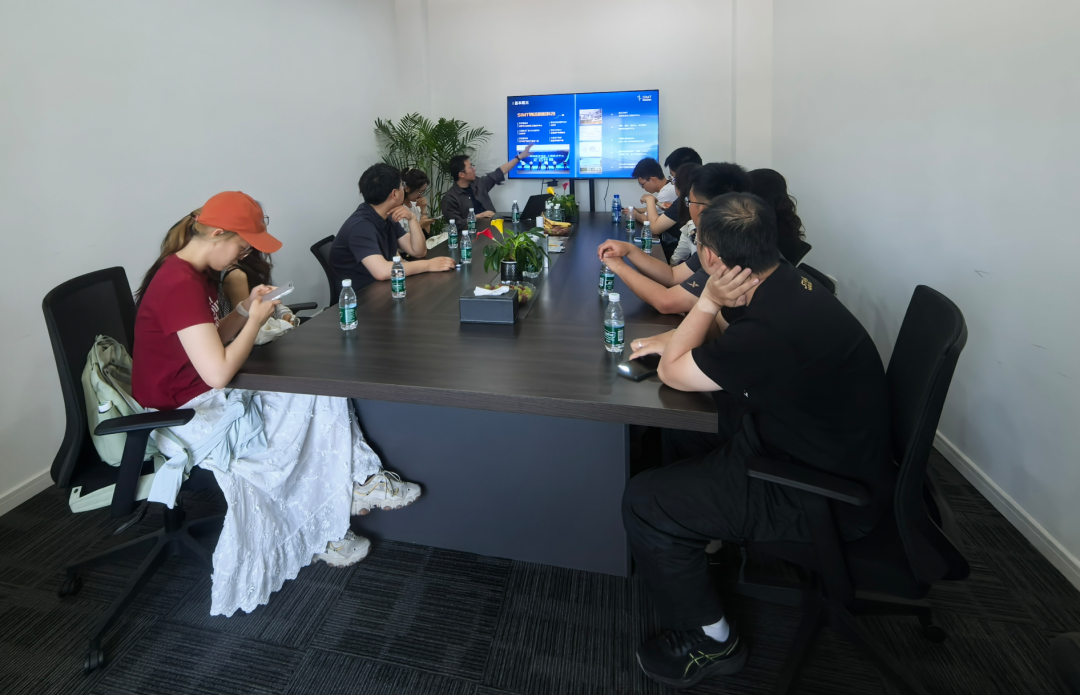
On-site event photos
Dr. Liu Zhongqing's answer to this is: Industrialization does not rely on a single technological breakthrough. If the pursuit of research is the optimal solution, then the pursuit of industry isThe most feasible solutionThe thinking patterns of the two are completely different, but they require the same group of people to complete the switch, from researchers from a team of German academicians to entrepreneurs who lead the team to strive for excellence in technology. Behind the role transition is theHow technology truly serves the terminal marketThe repeated questioning of this proposition.
Write at the end:
In recent years, Wuxi High tech Zone has formed a relatively complete industrial cluster and innovation ecosystem around strategic emerging industries such as new energy, new materials, integrated circuits, and biomedicine. The continuity of policies, the completeness of industrial supporting facilities, and the concentration of talents collectively constitute regional competitiveness. For technology-based enterprises like Na Yuan New Materials, choosing to settle in Xinwu District is not only a choice of location advantage, but also a fit of industrial ecology.
The students' journey of searching for "sodium" this time is only a small part of the visiting group's trip. A huge new energy industry cluster is clearly displayed in front of the students. Here, there are technologies, enterprises, opportunities, and vivid cases from academia to industry:Sodium is everywhere, and the truly great technology is often not about chasing rare things, but about transforming the most ordinary things into a force that benefits humanity.