



On August 25th, the 3rd China (Lithium Sodium Battery) Electric Bicycle Industry Ecology Conference and Light Power Battery Technology Summit Forum, hosted by Starting Point Lithium Battery, Starting Point Sodium Battery, Starting Point Charging and Swapping, and Starting Point Research Institute (SPIR), was grandly held at the Hilton Hotel in Wuxi. Over 600 upstream and downstream enterprise guests and industry experts attended the event, and more than 20 industry-leading enterprise guests and experts delivered wonderful speeches.
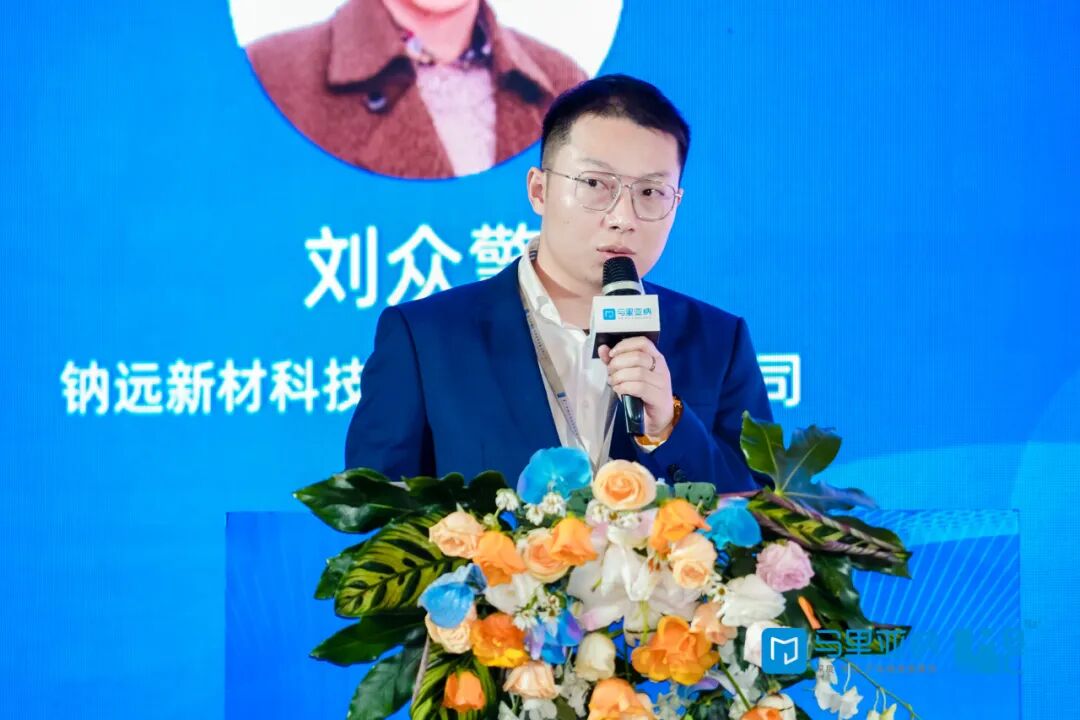
At the afternoon session on lightweight power sodium battery technology, Dr. Liu Zhongqing, CEO of Na Yuan New Materials, was also invited to attend and delivered a keynote speech titled "Design Ideas and Product Applications of Layered Positive Electrode Materials for Sodium Ion Batteries".
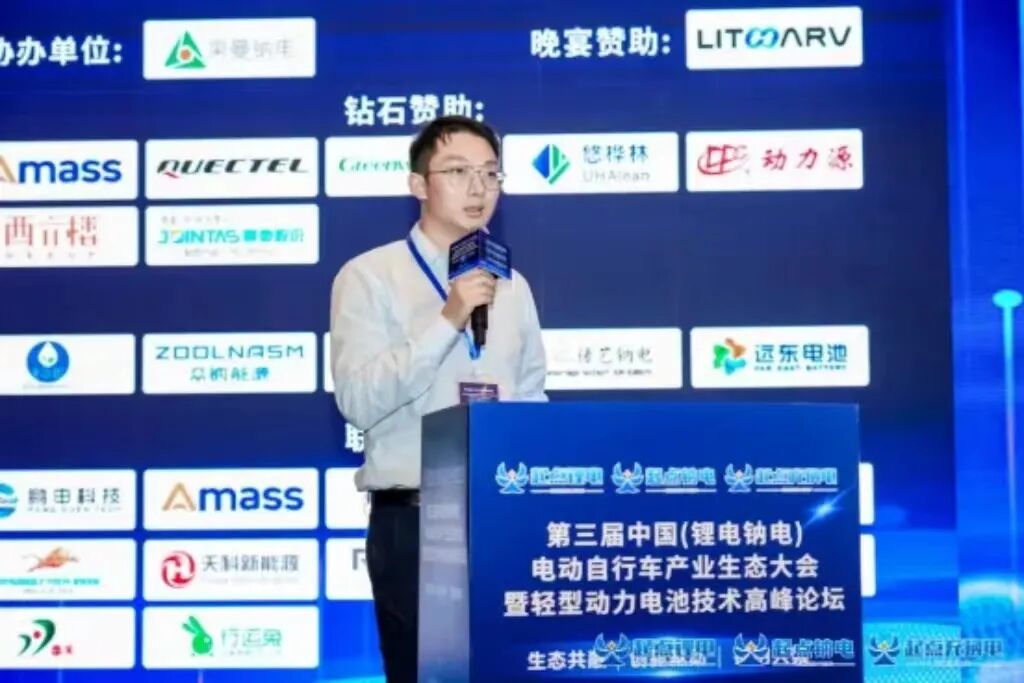
Image: Dr. Liu Zhongqing, CEO of Na Yuan New Materials
Dr. Liu Zhongqing believes that the explosive period of sodium ion batteries is expected to occur between 2024-2025, with a small peak around 2025. And the future sodium ion battery market will be a trillion dollar blue ocean market, especially in the energy storage application market with huge potential.
Dr. Liu frankly stated that sodium batteries can be seen as a positive strategy for national energy security or the entire industry, as the demand for energy storage, such as the "30-60" dual carbon target, far exceeds the supply of lithium batteries under normal circumstances. In this context, sodium batteries naturally become a good supplement to lithium batteries, and may even become a strong competitor to lithium batteries in the future.
From the performance perspective, it can be seen that sodium batteries can already achieve iron lithium performance close to 60-70%, and lithium batteries will definitely be in short supply in the future. In terms of price, the raw material price of sodium batteries is also one percent of that of lithium batteries. Dr. Liu mentioned that there are many teams working on sodium battery materials, many of which start from the design concept of lithium batteries, which is correct. However, from the perspective of the underlying logic design, there are significant differences between sodium batteries and lithium batteries in terms of materials themselves. For example, sodium batteries can be mixed with more diverse materials, and can take high-capacity or high stability routes. These different designs may bring better special performance than lithium batteries and have strong competitiveness. In this context, conducting research on sodium electricity is a new logical system, and there will be many difficulties in actually making products.
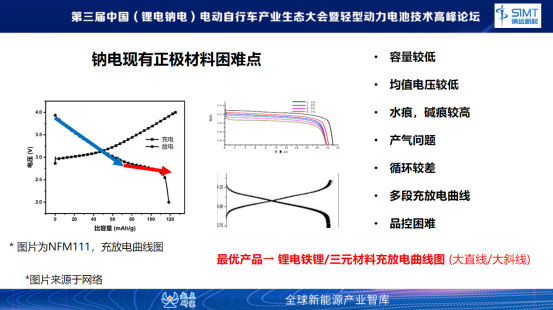
For example, if designed from a general perspective of sodium based materials, the possible outcome would be:
The first is that the capacity is relatively low; The second average voltage is relatively low, usually within 3 volts; Thirdly, there is a significant difference between sodium and lithium because although their chemical properties are similar, they also have essential differences, which makes the synthesis of sodium materials naturally more difficult than lithium battery materials. As shown in the charging and discharging curve on the left in the above figure, the charging and discharging process is divided into two sections, with a node in the middle that moves during charging and discharging. This is like a blind box, and if this node is not controlled properly, it will lose control. Therefore, safety requirements are relatively high when doing so.
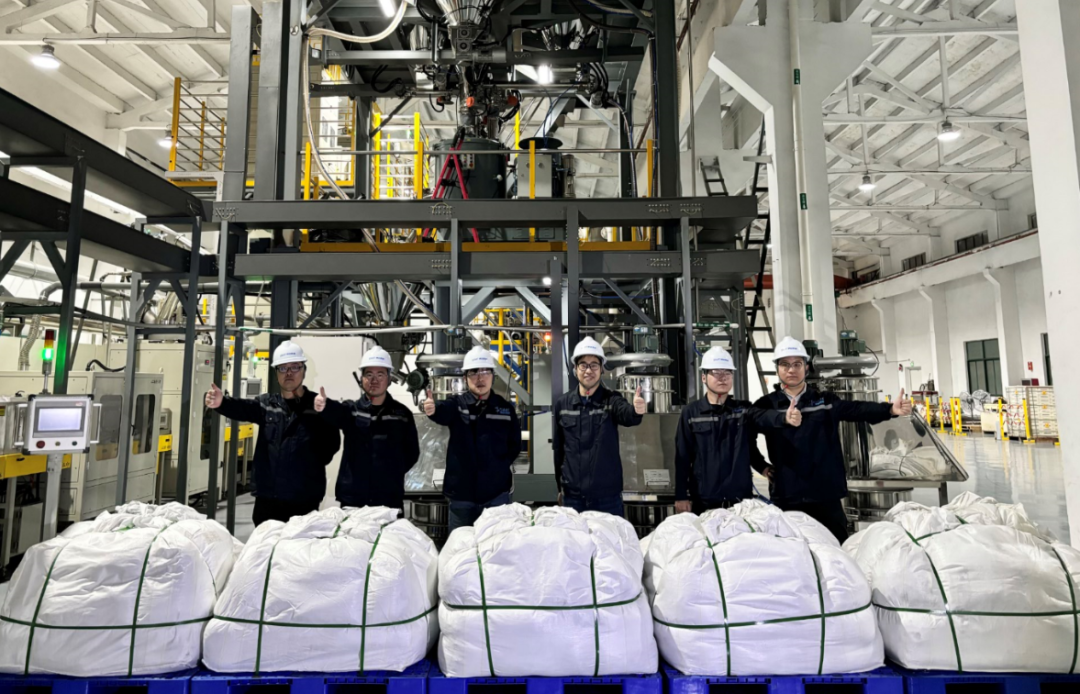
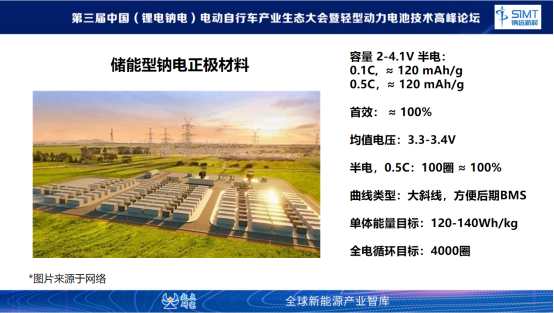
In addition, Dr. Liu mentioned that during the research and development of positive electrode materials, the team also found that sodium positive electrode materials generally have difficulties such as low capacity, low average voltage, water marks, high alkali marks, gas production problems, poor cycling, multi-stage charge discharge curves, and difficult quality control. To overcome the relevant difficulties, Na Yuan New Materials has established a dedicated R&D center and engineering technology center, built standard factories and fully automated production lines, and has also developed highly representative sodium positive electrode material products. According to Dr. Liu, Na Yuan has developed three products, the first of which is used for energy storage. The key indicators are as follows:
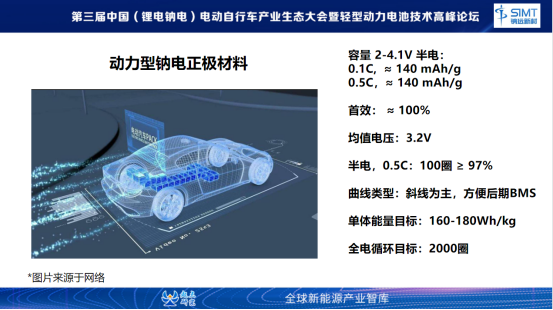
The second type is a power type sodium electric material, with key indicator data as follows:
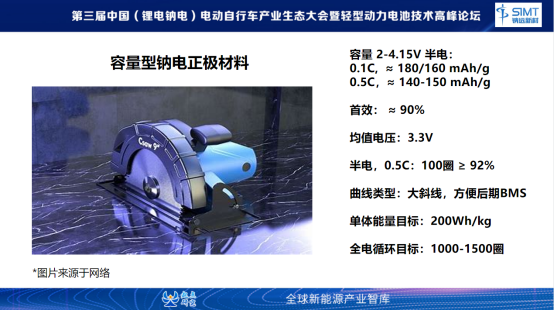
The third type is a capacity type sodium positive electrode material, with key indicator data as follows:
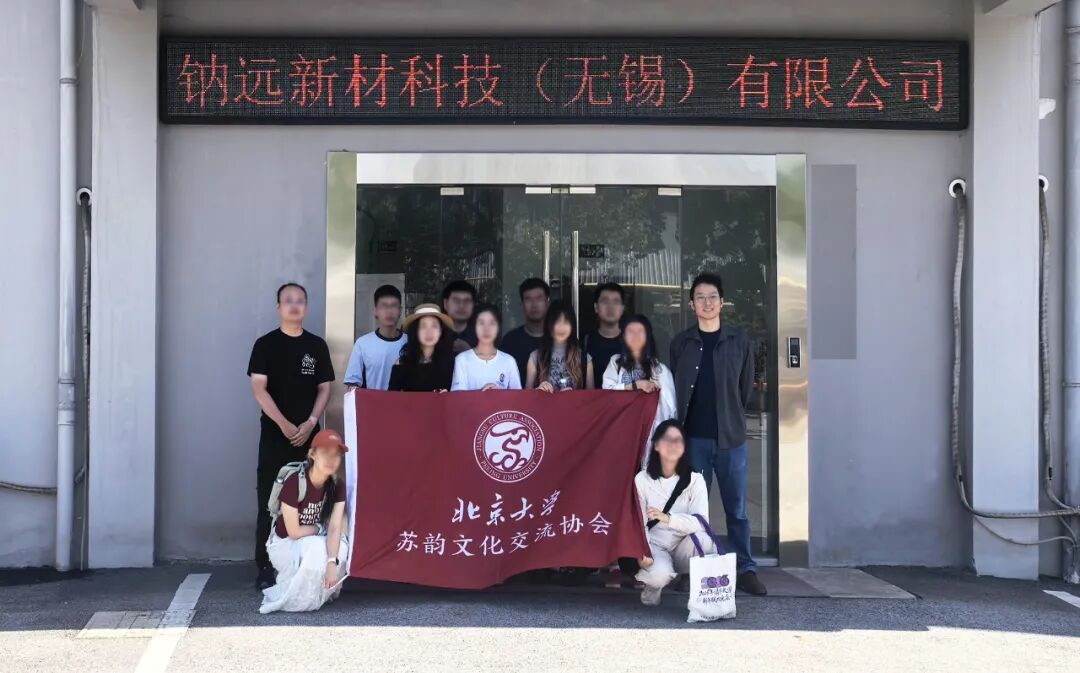
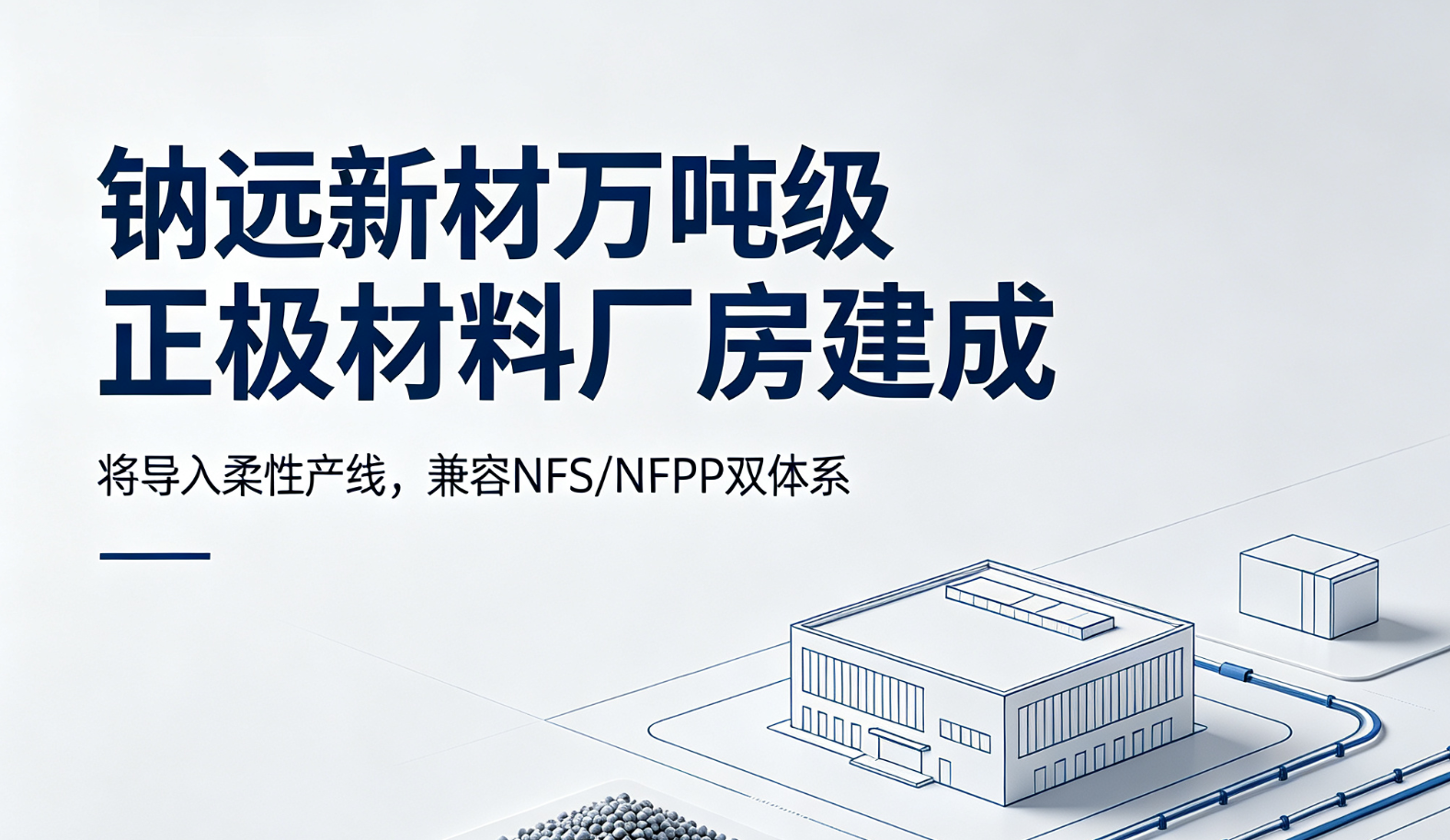
Finally, Dr. Liu briefly introduced the company's situation. SIMT Sodium Yuan New Materials Technology focuses on sodium ion battery cathode materials and full battery solutions, with capabilities in sodium ion cathode materials, production line equipment design, and full battery cell design. The project has established an operation center and engineering technology center (100 ton pilot line) in Wuxi, and a research and development center in Suzhou; The follow-up plan for the project is to establish production bases at the thousand ton/ten thousand ton level, with an annual sales volume of over one billion yuan after production.
The company adheres to the foundation of innovative research and development, focusing on the research, production, and sales of new sodium ion battery cathode materials, while providing customers with sodium ion full battery solutions. The company's existing customers include major battery manufacturers, energy/storage companies, and emerging sodium battery startups; The company's proprietary sodium battery core materials have been patented and the first generation products have entered the stage of customer sample collaborative development.
With the rapid development of the sodium ion battery industry and the increasing demand for sodium electric materials from energy storage and battery customers, SIMT Sodium Yuan New Materials Technology has entered a period of high-speed development. The company currently has multiple R&D technology platforms such as SIMT Suzhou R&D Center, SIMT Wuxi Engineering Technology Center, and the South University of Science and Technology Sodium Yuan New Materials Joint Laboratory. It has a professional R&D team consisting of 6 doctors and engineering technology experts, as well as more than 20 master's/engineer/experimenters; Engineering and technical team.
(Source: Starting point sodium electricity)