



The following article is sourced from Qidian Sodium Electrons, with the author focusing on Qidian(Click to view the original text)
At present, the sodium ion battery track is accelerating iteration, and the industry consensus is gradually converging towards the polyanion system. Among the two major technology routes of polyanion, NFPP and NFS, NFS is accelerating its penetration from lightweight power to more scenarios with outstanding cost, recycling, and safety advantages. Sodium Yuan New Materials is the core practitioner of this technology route.
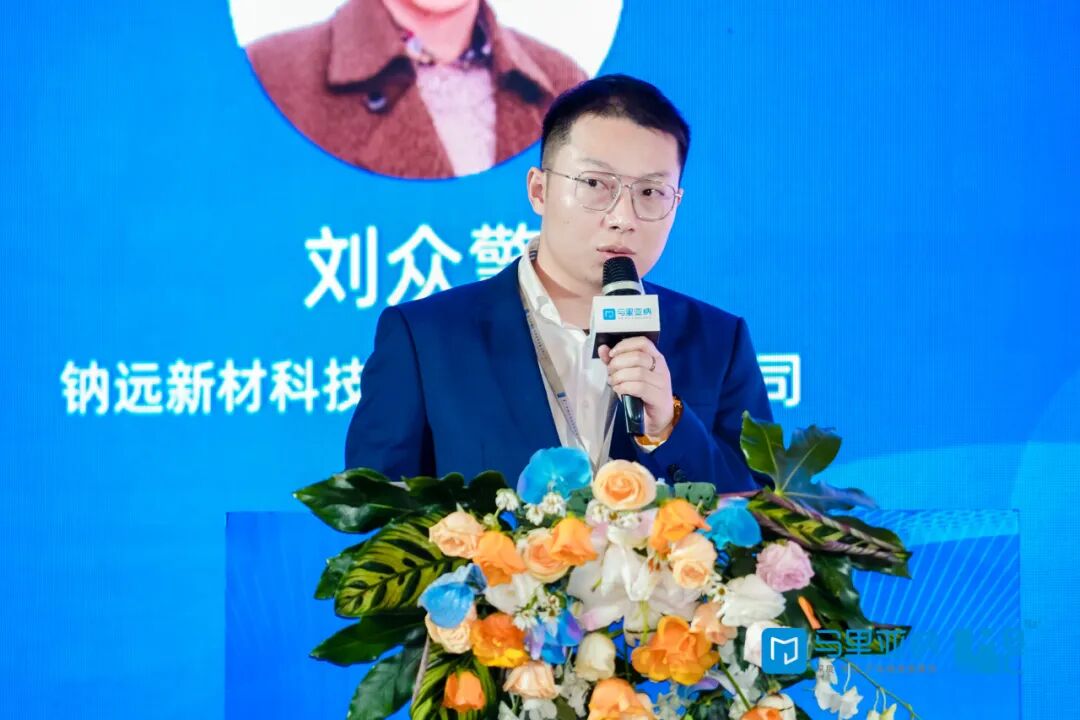
At the 11th Starting Point Sodium Battery Forum and Global Sodium Battery TOP Ranking Conference held on August 28th, Dr. Liu Zhongqing, Chairman of Sodium Yuan New Materials, gave a keynote speech on "Development and Application of Sodium Ion Battery Polyanion Positive Electrode Material NFS". He combines years of R&D and mass production practice in the enterprise to deeply analyze the core advantages of cost, safety, and recycling of NFS polyanion cathodes. At the same time, he provides industry judgments on the market positioning and future evolution path of the two major polyanion routes, NFS and NFPP.
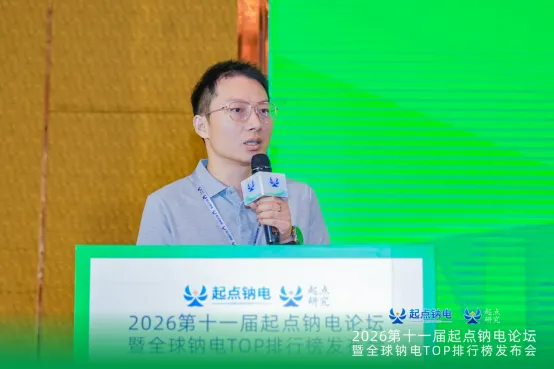
Dr. Liu Zhongqing, Chairman of Na Yuan New Materials
01. NFS acceleration breakthrough: from lightweight power to multi scenario landing
In the industry, NFPP started earlier and achieved small-scale applications in 2024, with a continued expansion in shipment scale by 2025, resulting in a high market awareness. In contrast, the industrialization of NFS started relatively late, with initial attempts in the field of light power only starting at the end of 2024.
According to Dr. Liu Zhongqing, Na Yuan New Materials has been focusing on the research and development of NFS materials for several years. In 2024, it participated in the first large-scale production attempt of NFS and accumulated a lot of practical experience in the light power track; Continuously iterate products with top customers in 2025; Entering 2026, the application boundaries of NFS will be further expanded. In addition to lightweight power, validation and development will be carried out in areas such as start stop and UPS, and commercial ports for materials will continue to open up.
Looking at the world, the wave of sodium electricity industry has already hit, and overseas research institutions and enterprises have also increased their layout. The industry is expected to move towards a scale of millions of tons in the long run. In the comparison of mainstream sodium positive electrode routes, layered oxides are constrained by fluctuations in nickel and manganese raw material prices, as well as wide voltage differentials, making it difficult to adapt to existing electronic control systems and encountering bottlenecks in practical implementation. Polyanionic materials stand out as the mainstream choice in the industry due to their excellent wide temperature range performance, ultra-high charge and discharge capabilities, and high safety.
Within the polyanion system, NFS has an unparalleled advantage in raw material cost. The cost of its basic raw materials is much lower than that of NFPP, with a price difference of up to tens of thousands of yuan. There is no need to repeatedly reduce costs on the process side. The core proposition is to expand application scenarios and increase scale, and the cost advantage will naturally be released. The current market price of NFPP is about 25000-30000 yuan/ton, and NFS has already reached around 20000 yuan/ton. After scaling up, there is still room for further downward exploration.
02. Triple hard core advantages of cost, recycling, and safety, building NFS core barriers
Cost is just one aspect of NFS's competitiveness, and its dual characteristics of easy recycling and high security give NFS unique long-term value in the new policy environment.
With the clear policy in China that batteries no longer support hierarchical utilization, the full lifecycle recycling of both lithium and sodium batteries has become an unavoidable issue in the industry. The NFPP recycling process is similar to lithium iron phosphate, with complex processes and high energy consumption. NFS takes a different approach, using low-temperature roasting technology for production. The finished material has a soft texture and can be directly dissolved in warm water for recycling, eliminating the tedious processes of acid washing, alkali washing, and repeated roasting. At the same time, the core raw materials of NFS, ferrous sulfate and sodium sulfate, are both huge chemical by-products in China, and the supply of raw materials is sufficient to ensure the sustainable development of the industry from the source.
From the cost estimation of the package, NFS can achieve around 0.4 yuan/Wh in the small-scale mass production stage. With the release of production capacity, it is expected to quickly drop to within 0.3 yuan/Wh, which has obvious competitiveness compared to small power lithium iron of the same specifications.
Security is the foundation of NFS. Sodium Yuan New Materials has completed multiple rigorous violent tests, including room temperature and high temperature needle puncture, thermal shock, and fully charged air disassembly tests. The batteries have not caught fire, emitted smoke, or exploded. Originating from the strong chemical bond structure of sulfate ions, the material itself avoids the risk of thermal runaway from the bottom layer, laying a solid safety foundation for multi scenario applications.
Not only that, the new generation NFS products optimized through the iteration of Na Yuan New Materials have significantly improved the shortcomings of insufficient conductivity and sodium conductivity in traditional cognition. At minus 20 ℃, the retention rate of 30 ° C discharge can reach over 90%, breaking the inherent impression that NFS is only suitable for 2-3C lightweight power. Relying on a high average voltage of 3.6V, taking a 72V battery pack as an example, NFS only requires 20 strings of battery cells. Compared to NFPP's 26 strings, a single pack can save nearly 20% of costs, which is highly anticipated by lightweight power customers. After technological iteration, UPS、 The markets for power on/off, backup power for data centers, and AI supporting power have all become new targets for NFS.
03. Double line layout of polyanions, anchoring non negative electrodes and solid-state technology, planning for the long-term future of the industry
Na Yuan New Materials did not bet all its chips on NFS, but instead laid out a dual route parallel layout for the poly anionic track.
NFS in light power UPS、 The advantages of start stop and other scenarios are prominent, but due to the constraints of electrolyte stability under high voltage and high temperature, there are still shortcomings in large energy storage scenarios with long cycles of 6000-8000 cycles or more. Based on the accumulation of homologous polyanion bottom layer technology, Na Yuan New Materials will launch NFPP research and development in the second half of 2025, reusing the slurry control and interface treatment experience accumulated in NFS development into the NFPP system.
In the assessment of Na Yuan New Materials, the main battlefield of NFPP will fall on the long cycle and large energy storage track, targeting trillion level incremental markets such as source grid side distribution and large-scale energy storage. To unleash the full competitiveness of NFPP, high compaction is key, and it is necessary to break through to 2.3-2.4 compaction density. At present, Na Yuan New Materials has achieved a compaction of 2.2 or more samples and delivered them to customers for testing, continuously striving towards higher compaction goals.
Facing the next generation of technology, Na Yuan New Materials has set its sights on non negative electrode, semi-solid, and all solid state sodium batteries, and has launched a deep cooperation with Schott from Germany. NFS combined with non negative electrode technology can solve the pain point of high first effect loss, and the energy density can achieve a significant increase. The sample energy density has reached 220Wh/kg, and 20Ah non negative electrode cell products are also being promoted and implemented. On this basis, semi-solid and all solid state technologies are added to achieve a target impact of 250-320Wh/kg. At the same time, the challenge of testing the 130 ℃ temperature box for vehicles is overcome, opening up the possibility of high power in vehicles. Emerging scenarios such as low altitude robots can also be covered synchronously.
Dr. Liu Zhongqing made a judgment on the market evolution path: in the short term, iron lithium and ternary batteries will still be the mainstream of power batteries; NFS focuses on the lead-acid stock replacement market, covering light power UPS、 emergency power supply; NFPP seizes the market for large energy storage increment; Without negative electrodes and solid-state sodium batteries, it is expected to enter the fields of robots, vehicles, and other industries corresponding to low and medium nickel ternary materials.
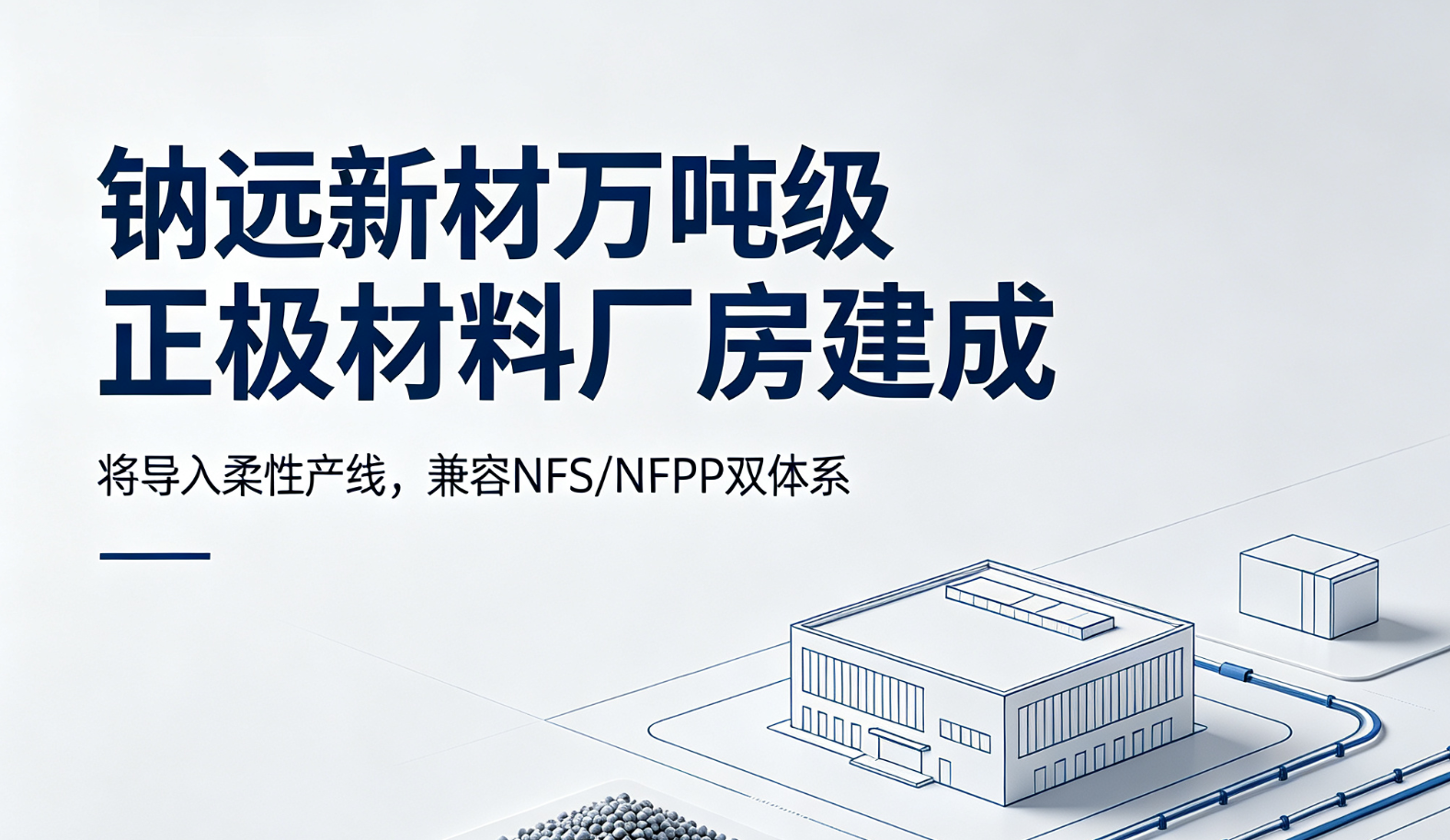
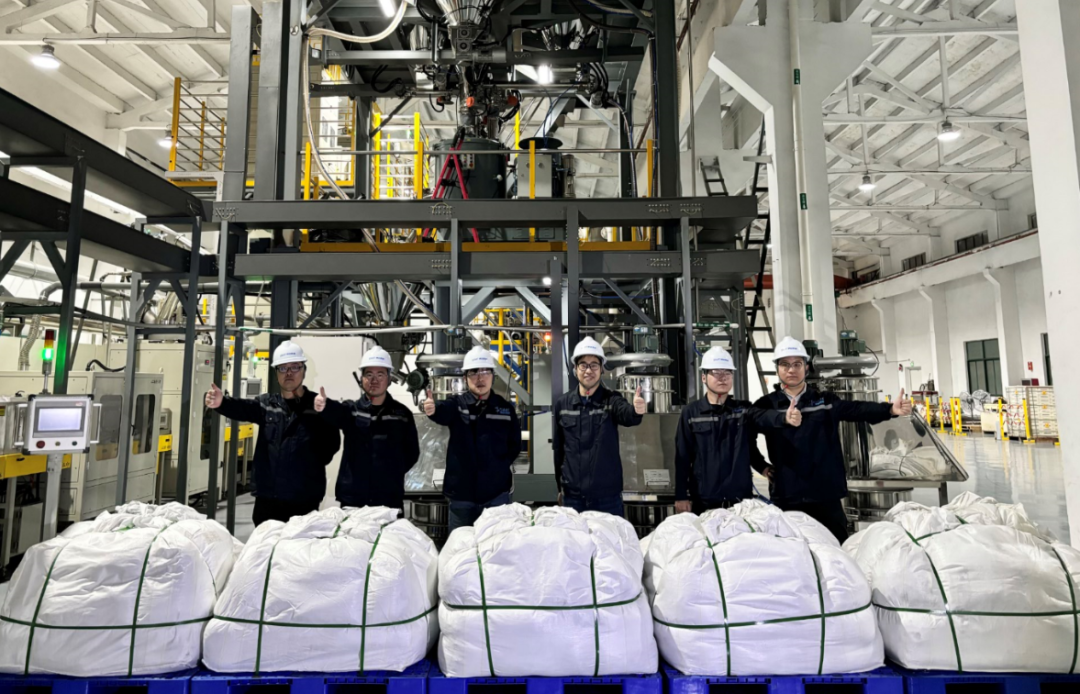
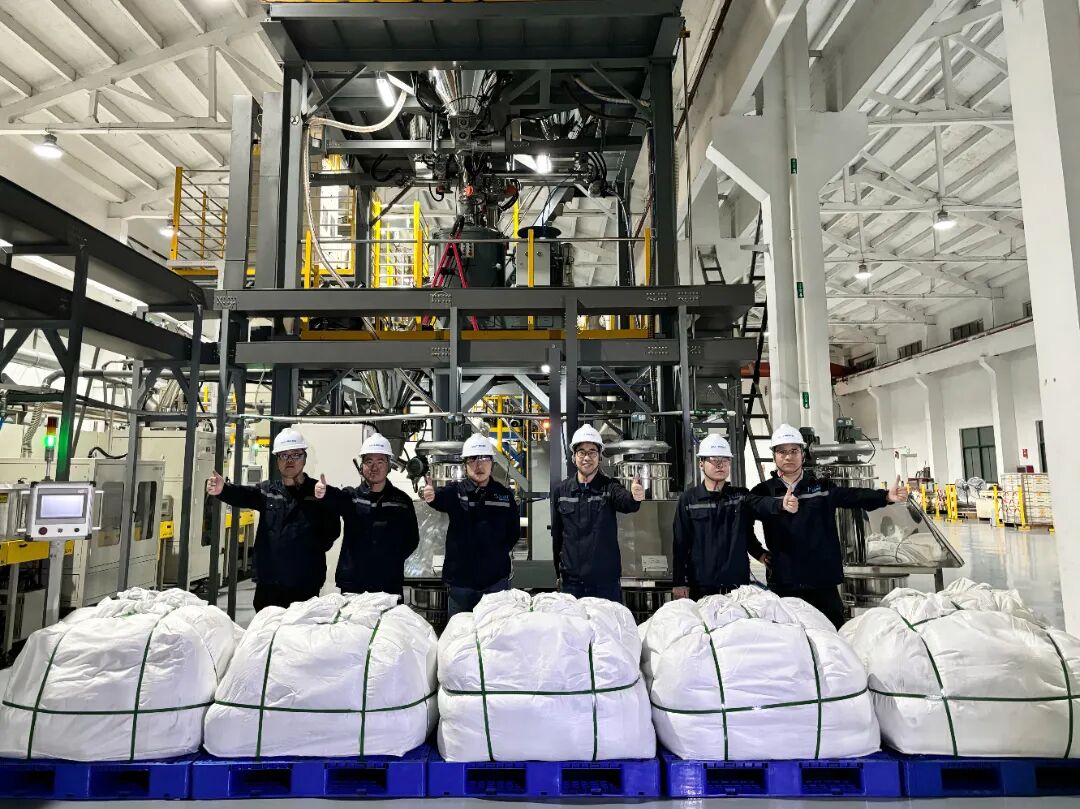
On the eve of the industrial outbreak, capacity building and open cooperation are indispensable. Founded in Wuxi in 2022, Na Yuan New Materials has a research and development engineering center; Jiangxi has a thousand ton advanced production line; The Anhui 10000 ton flexible production line is currently undergoing equipment debugging and will be put into operation in the second half of 2026. It is compatible with the production of NFS and NFPP materials. The long-term plan of the enterprise is to move towards a production capacity of 50000 tons and 100000 tons. Dr. Liu Zhongqing believes that the true 100000 ton outbreak of sodium batteries is expected to occur around 2028, followed by exponential growth. As a positive electrode material enterprise, Na Yuan New Materials has a complete battery cell technology research and development team, is willing to open up technical capabilities, work together with upstream and downstream partners in the industry chain, and jointly expand the sodium ion battery industry.