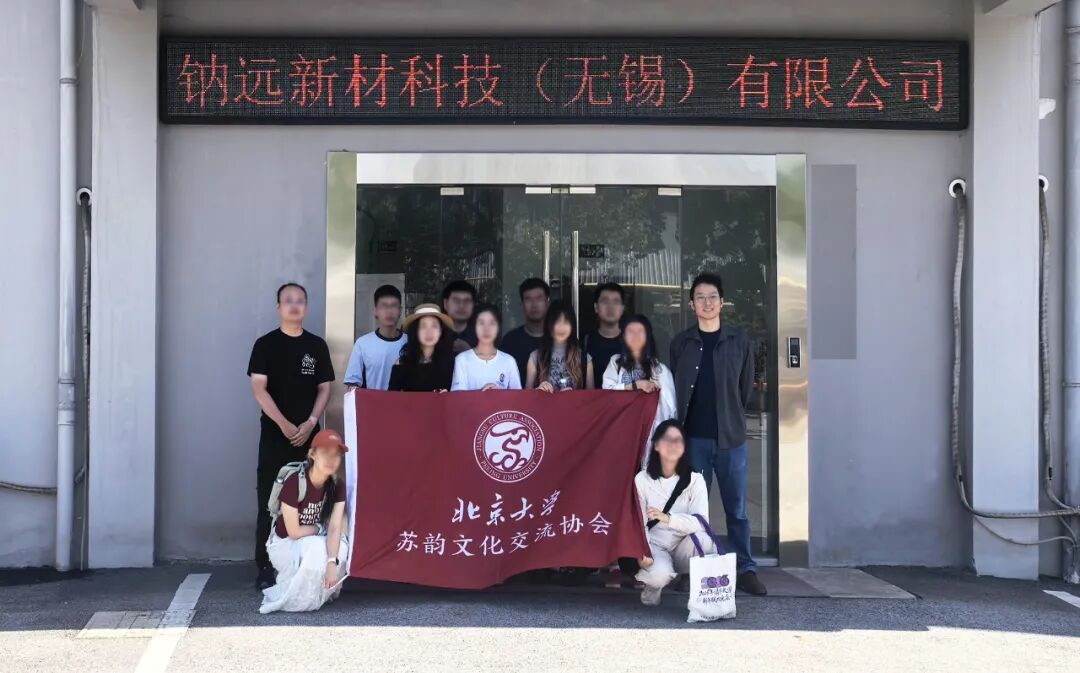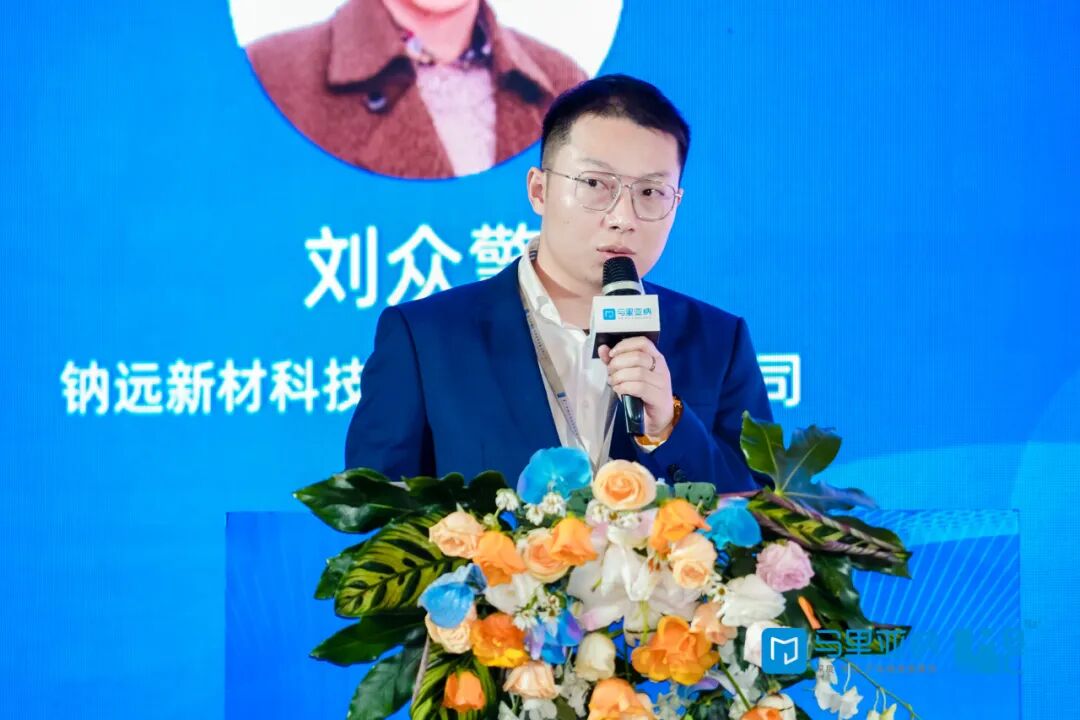




Recently, Dr. Liu Zhongqing, Chairman and General Manager of Nayuan New Materials, and Dr. Liu Longliang, co-founder, participated in a technology innovation seminar jointly organized by the Oxford University Institute of Advanced Studies and the Suzhou Innovation Club. Dozens of experts and scholars in attendance shared their achievements in the development and application of innovative materials in their respective fields, and their research and development results will have broad application prospects in energy conversion, environmental protection, and other areas.
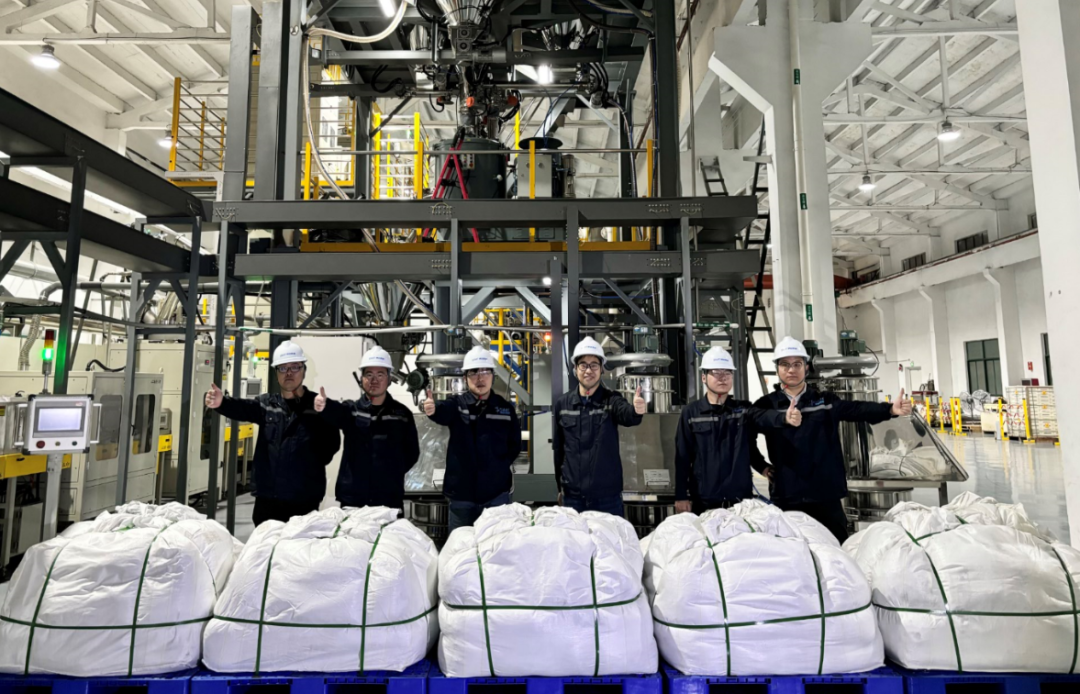
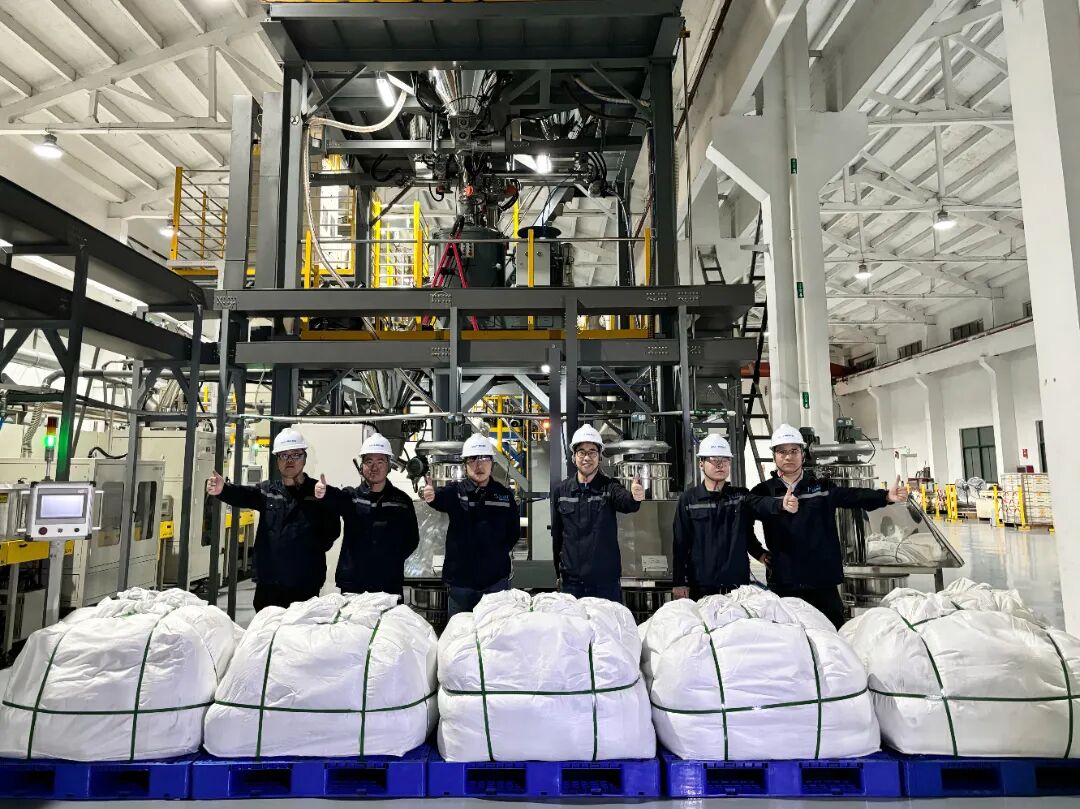
Naiyuan New Materials is a research and development enterprise mainly focused on scientific research and technological strength in the production of positive electrode materials for sodium ion batteries. The integration of industry, academia, research and training was the original intention of Dr. Liu Zhongqing when he founded Naiyuan New Materials. The vision and mission of Na Yuan New Materials is to transform the scientific achievements we have researched into tangible products that can be implemented, to enable more like-minded researchers to join our team, to continuously upgrade and optimize our processes and formulas, and to enable our products to contribute to the fields of new energy and environmental energy storage.
Participating in this seminar has brought us joy to learn about many breakthrough research and development achievements of various R&D experts. In the field of new material development, Na Yuan will work together with experts and scholars from all walks of life to move forward courageously.
The following article is from Oxford University Suzhou Institute of Advanced Study
On the afternoon of May 16th, our Institute of Optoelectronics Technology Research Center successfully held a technology innovation seminar in collaboration with Suzhou Innovation Club, aiming to promote interdisciplinary and cross field cooperation and exchange, strengthen the deep integration of industry, academia and research, and collaborative innovation.
The seminar invited more than ten well-known experts and scholars from Suzhou, Wuxi, Shanghai, Hangzhou and other places, including Professor Ren Jianfeng from Suzhou University, Researchers Su Yude and Zhu Zhongpeng from the Suzhou Advanced Research Institute of the University of Science and Technology of China, Dr. Wang Chong, Director of the Suzhou R&D and Application Technology Center of Schott Group, Dr. Luan Wanqiang, Chairman of Suzhou Nasu Zhongfu New Materials Co., Ltd., and representatives of local enterprises and research institutes, as well as Dr. Liu Zhongqing, Chairman and General Manager of Nayuan New Materials Technology (Wuxi) Co., Ltd., Dr. Liu Longliang, Co founder, Professor Hou Changlun from Hangzhou University of Electronic Science and Technology, Dr. Liu Lian from the Yangtze River Delta National Technology Innovation Center, Dr. Wang Xi from the Metaverse (Shanghai), and Dr. Nan Li, Director of Shanghai Yonghan Materials Technology Co., Ltd. Experts from enterprises and research institutions in the triangular region.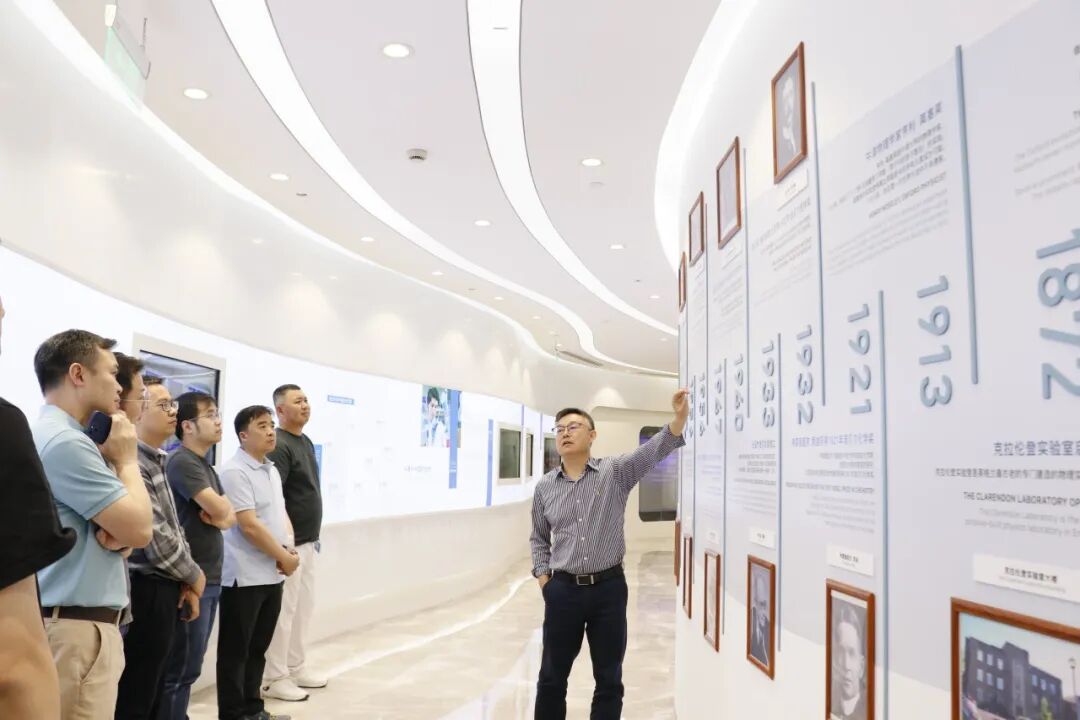
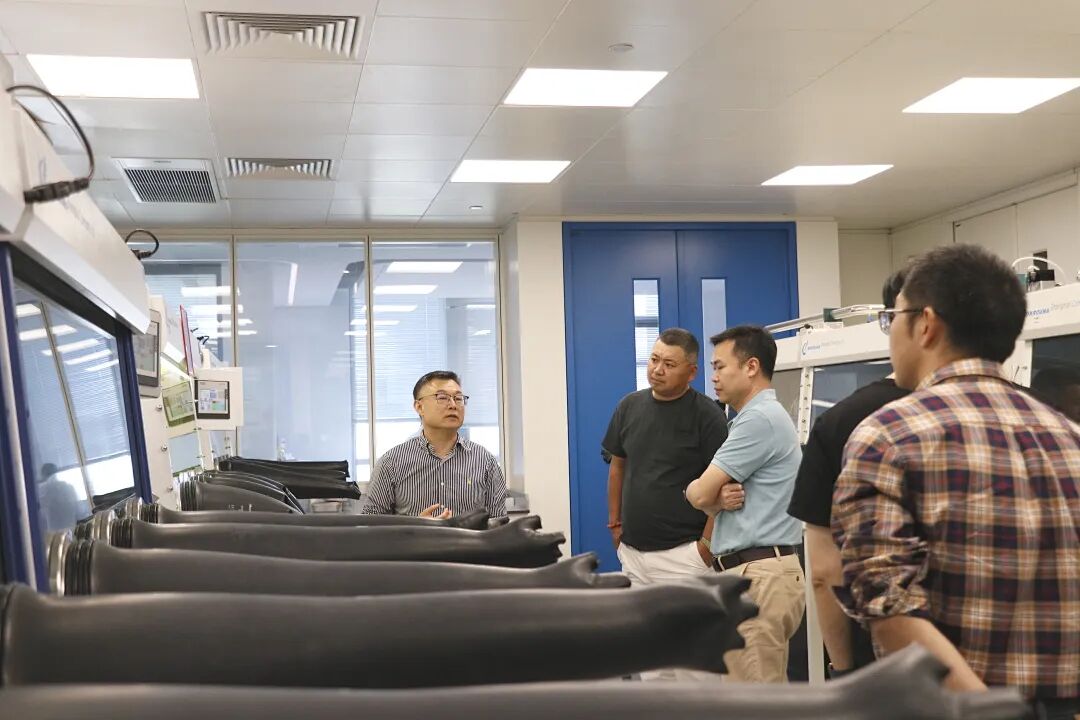
Lab Visit
The laboratory visitors visited the exhibition hall of the research institute and the laboratory of the Optoelectronic Technology Research Center, and highly praised the advanced research and development platform, as well as the highlights of scientific research and industrialization achievements of the research institute.
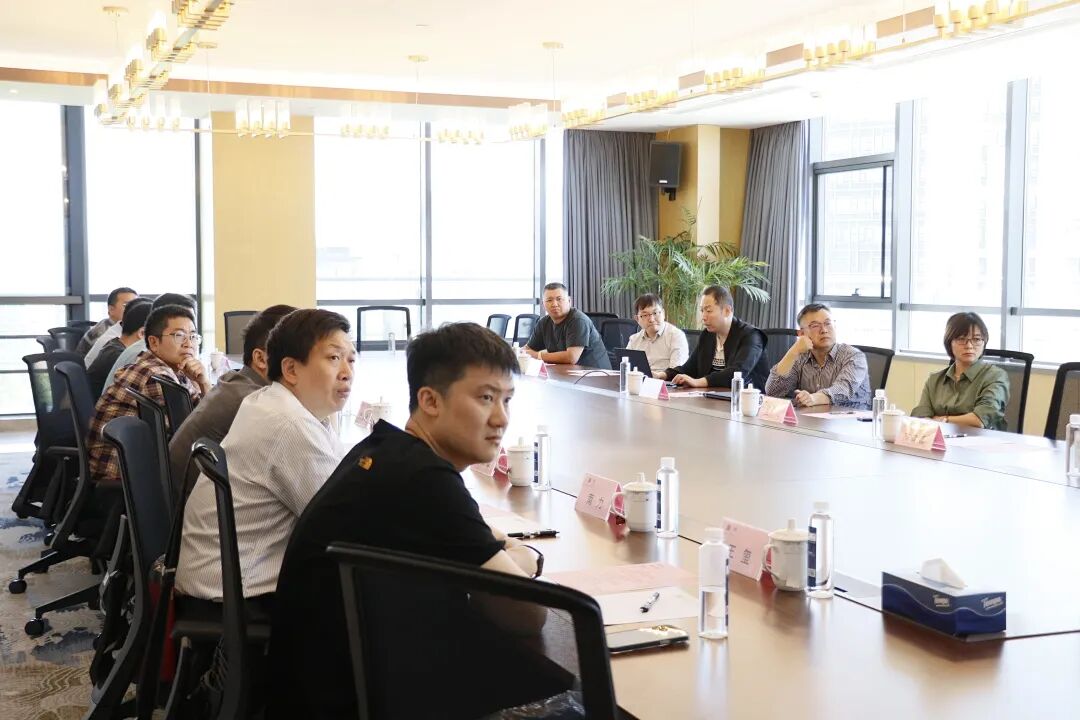
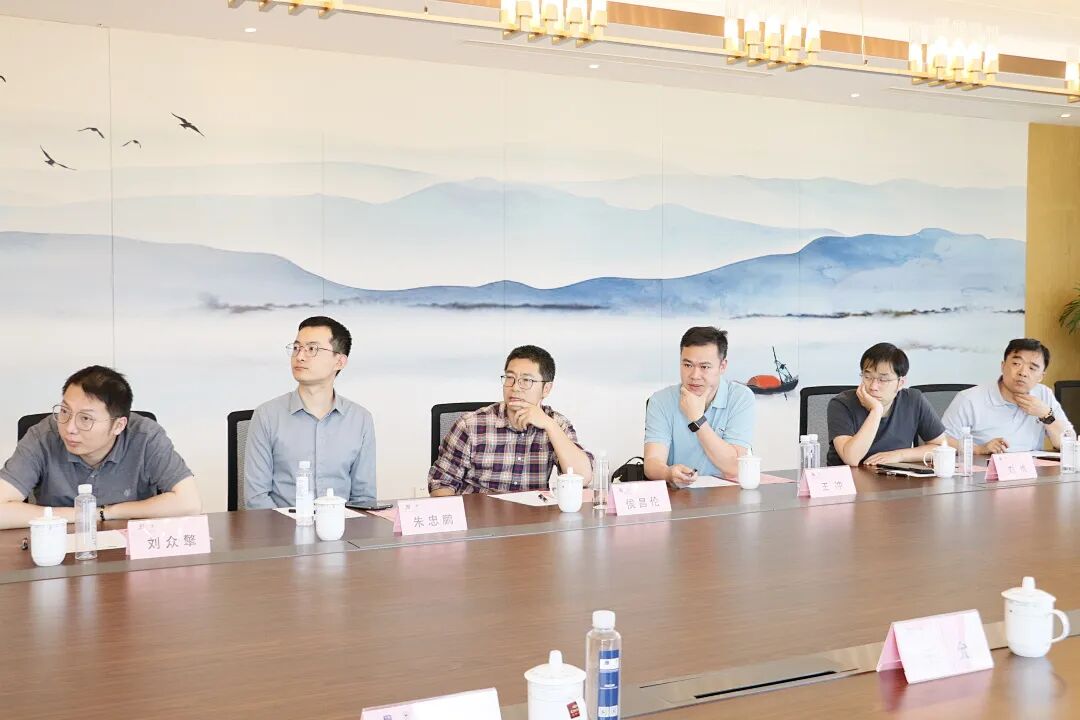
Theme Seminar
At the seminar, Dr. Huang Jinsong, Director and Co Chief Scientist of the Optoelectronic Technology Center of our institute, and Dr. Wang Yun, Co Chief Scientist of the Biotechnology Research Center, respectively introduced the development overview of their respective centers.
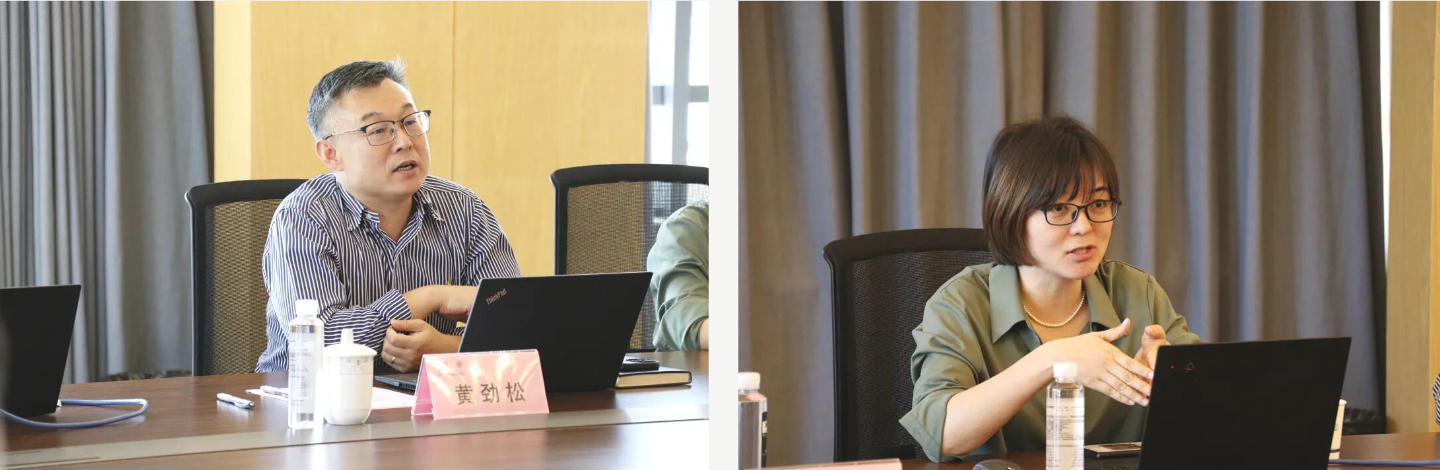
Dr. Lin Jie, Senior Researcher at the Optoelectronic Technology Research Center, and Dr. Hu Yun, Researcher, respectively introduced in detail the research progress of the center's cutting-edge and application-oriented research projects - "Narrow Line Width Light Source" and "Polymer Based Conductive Film".
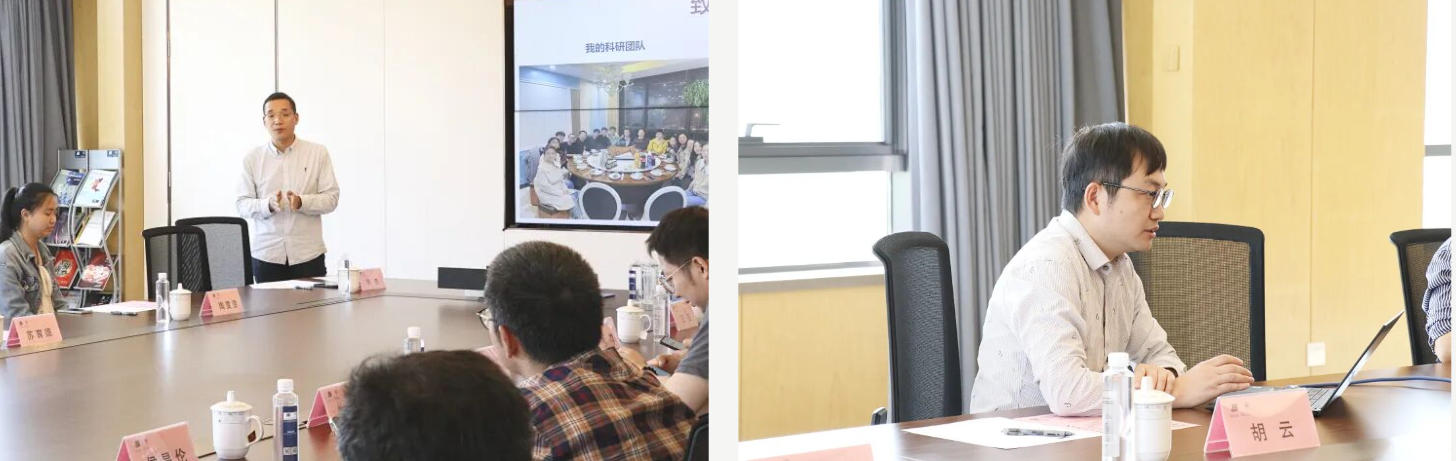
High quality light sources, as key components of many optical and optoelectronic systems, have important application prospects in the fields of science, engineering, and technology.
The plasticity, conductivity, and compatibility of polymer genes have become key materials for many new optoelectronics, with broad application prospects in electronic technology, energy, and biomedical fields.
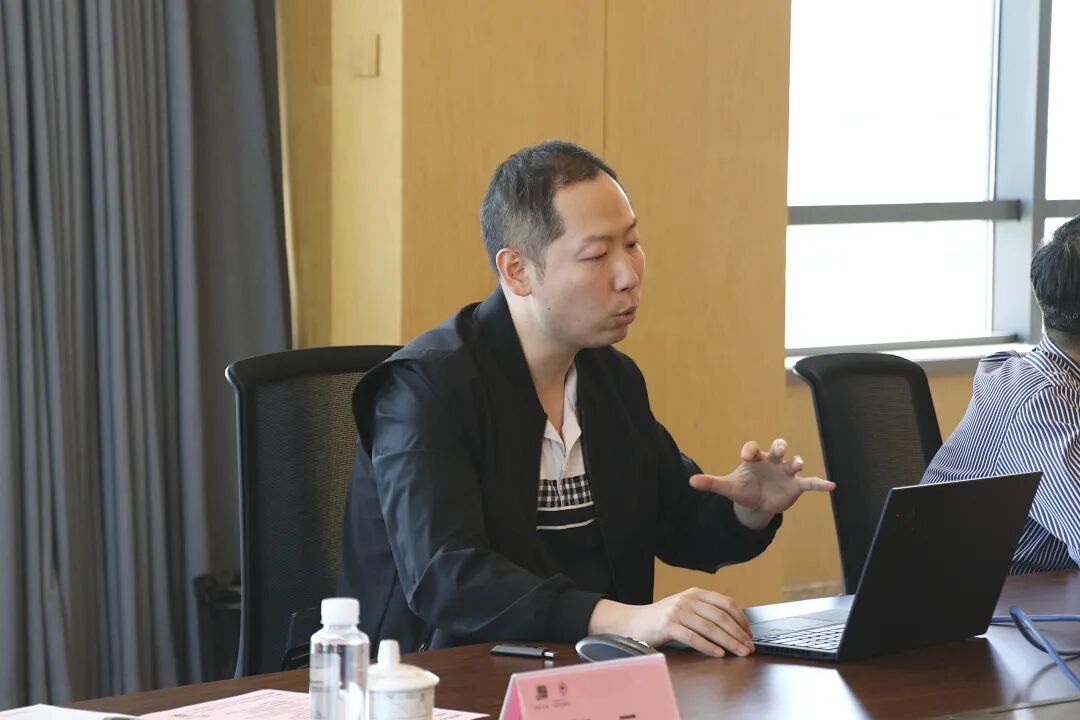
Researcher Su Yude from the Suzhou Research Institute of the University of Science and Technology of China wrote a paper titled "; Catalytic Energy of Microorganisms Nanohybrid Materials; The report emphasizes the new opportunities that this new catalytic technology provides for fields such as energy conversion, environmental protection, and biomedicine.
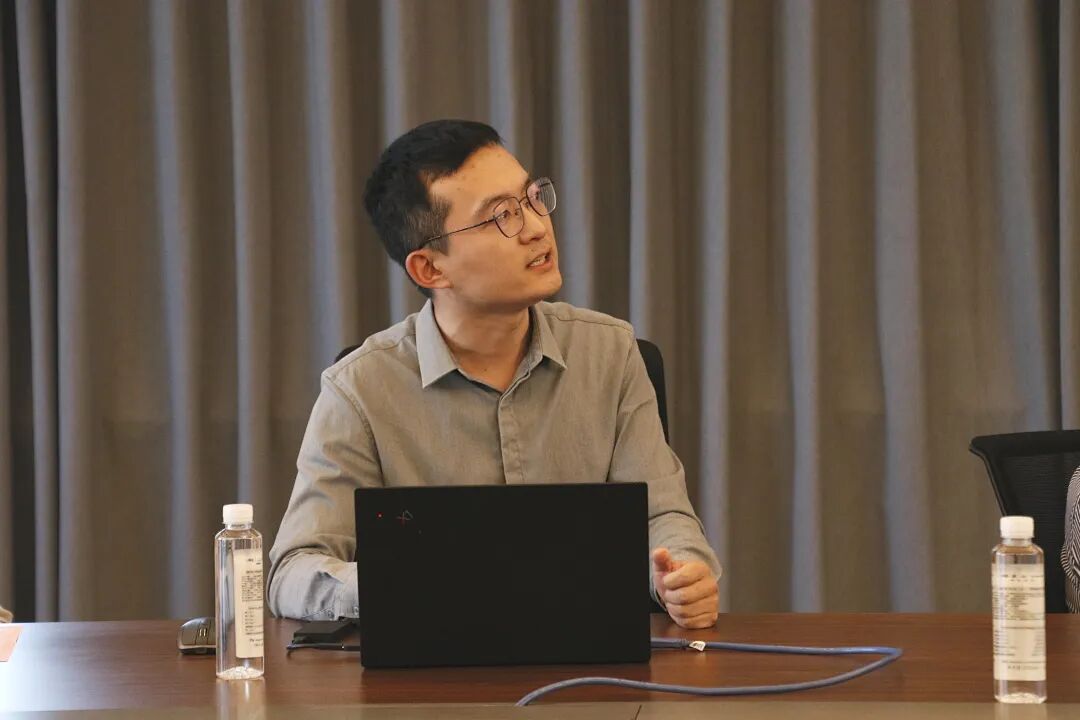
Researcher Zhu Zhongpeng from the Suzhou Research Institute of the University of Science and Technology of China shared the research progress in the construction and application of multi-scale biomimetic superhydrophilic materials, and pointed out that superhydrophilic materials have broad application prospects in interface thermal management, multifunctional thin film preparation, sensing and other fields. Dr. Liu Lian introduced the current development status of the Yangtze River Delta National Technology Innovation Center.
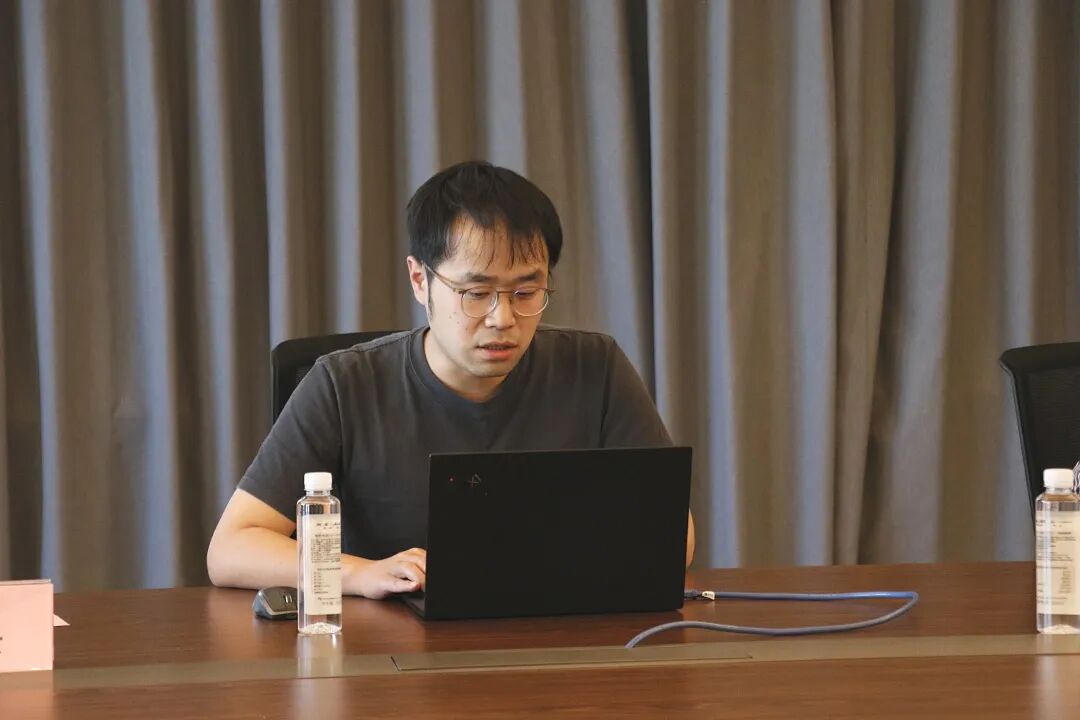
As a national level technology innovation platform, the center aims to promote technological innovation, enhance industrial technology level, and drive regional economic development.
This event provides a platform for interdisciplinary cooperation in fields such as optoelectronic technology and biotechnology in the Yangtze River Delta region, which helps to stimulate industry university research cooperation and promote the transformation of scientific and technological achievements.
About Suzhou Innovation Club
The Suzhou Innovation Club was jointly initiated and established by Dr. Wang Chong, Director of the Suzhou R&D and Application Technology Center of Schott Group, and Liu Zhongqing, Chairman and General Manager of Nayuan New Materials Technology (Wuxi) Co., Ltd. The club aims to promote technological development, emphasizing the importance of interdisciplinary and cross disciplinary cooperation and exchange for innovation. It is mainly aimed at professors, researchers, technology leaders of technology enterprises, and senior management personnel.